FishtownFish wrapped around the rod of AsclepiusMedicine
Philadelphia Primary Care
Articles
Digital Health Literacy
Cut through health misinformation
Symptoms
What your body is telling you
Treatments
Protocols, prescriptions, therapies
Longevity
Medicine 3.0 strategies
Heart Health & Risk
Protect your heart & vessels
Metabolism
Insulin, blood sugar, weight
Hormones
TRT, thyroid, menopause, andropause
Performance
VO2 max, muscle, sleep, gut
Playbooks
Step-by-step frameworks
About
Meet Dr. Ash
Your Physician
GER·O·SPAN
Our Clinical Framework
What People Say
124 patient reviews across 6 platforms
Pricing & Membership
Transparent membership pricing
FAQ
Common Questions
Get Started
Healthspan Optimization: Living Better, Longer
Fishtown Medicine•7 min read
4.96 (124)

Healthspan Optimization: Living Better, Longer

We identify risks decades early and build a plan to optimize your Healthspan, the quality years of your life.

Ashvin Vijayakumar MD

Medically Reviewed

Ashvin Vijayakumar MD•Updated December 29, 2024
On This Page
  • Don't Just Live Longer. Live Better.
  • What Is the "Normal" Trap?
  • What Is Healthspan Optimization?
  • The Medicine 3.0 Difference
  • What Are the 4 Pillars of Healthspan?
  • 1. The Cardiovascular Fortress (Heart Health)
  • 2. Metabolic Architecture (Energy and Weight)
  • 3. Cognitive Protection (Brain Health)
  • 4. Muscle as a Key Organ (Physical Function)
  • Why Do Driven Professionals in Philly Choose Fishtown Medicine?
  • When Should You Start?
  • Actionable Steps for Philadelphians
  • Common Questions
  • Is healthspan optimization the same as anti-aging?
  • Is healthspan optimization covered by insurance?
  • Do you prescribe hormones (TRT or HRT)?
  • How is this different from a regular annual physical?
  • Do I need to be in great shape to start?
  • What if I already see a cardiologist or endocrinologist?
  • Do you offer a one-time consult or only memberships?
  • Can my partner or spouse join too?
  • Deep Questions
  • What is the difference between lifespan and healthspan?
  • How does the Medicine 3.0 framework actually differ from Medicine 2.0?
  • Why is ApoB the gold standard for cardiovascular risk?
  • How do continuous glucose monitors (CGMs) help non-diabetic patients?
  • What is "type 3 diabetes" and why does it matter for brain health?
  • Why is grip strength a longevity biomarker?
  • What is the science behind protein targets above 1 gram per pound?
  • How does sleep affect cognitive risk and Alzheimer's prevention?
  • What is the role of GLP-1 medications (Ozempic, Wegovy, Mounjaro) in healthspan?
  • How do you decide who needs coronary CT angiography?
  • Do you prescribe peptide therapies for longevity?
  • How do you measure progress over a 12-month healthspan plan?
  • Related at Fishtown Medicine
  • Scientific References

Get a preventive doctor that knows you.

Consult Dr. Ash
TL;DR30-second take

Healthspan optimization is the practice of extending the years of life spent in good health, free from disease and disability. At Fishtown Medicine we use Medicine 3.0 tools (ApoB, continuous glucose monitoring, VO2 Max, body composition, hormone panels) to identify risks decades early and turn them into a personal plan.

Don't Just Live Longer. Live Better.


What Is the "Normal" Trap?

You have done everything right. You exercise at City Fitness or ride the Schuylkill River Trail. You eat reasonably well, maybe picking up a salad at Sweetgreen instead of a Wawa hoagie. You go to your annual physical.

Every year, you get the same result: "Everything looks normal. Keep doing what you are doing."

But you do not feel "normal." You feel the mid-afternoon energy crash. You notice your focus slipping during meetings at the Comcast Center or your home office. You see family members declining in their 60s and 70s, losing memory, mobility, and independence, and you wonder: Is that my future too?
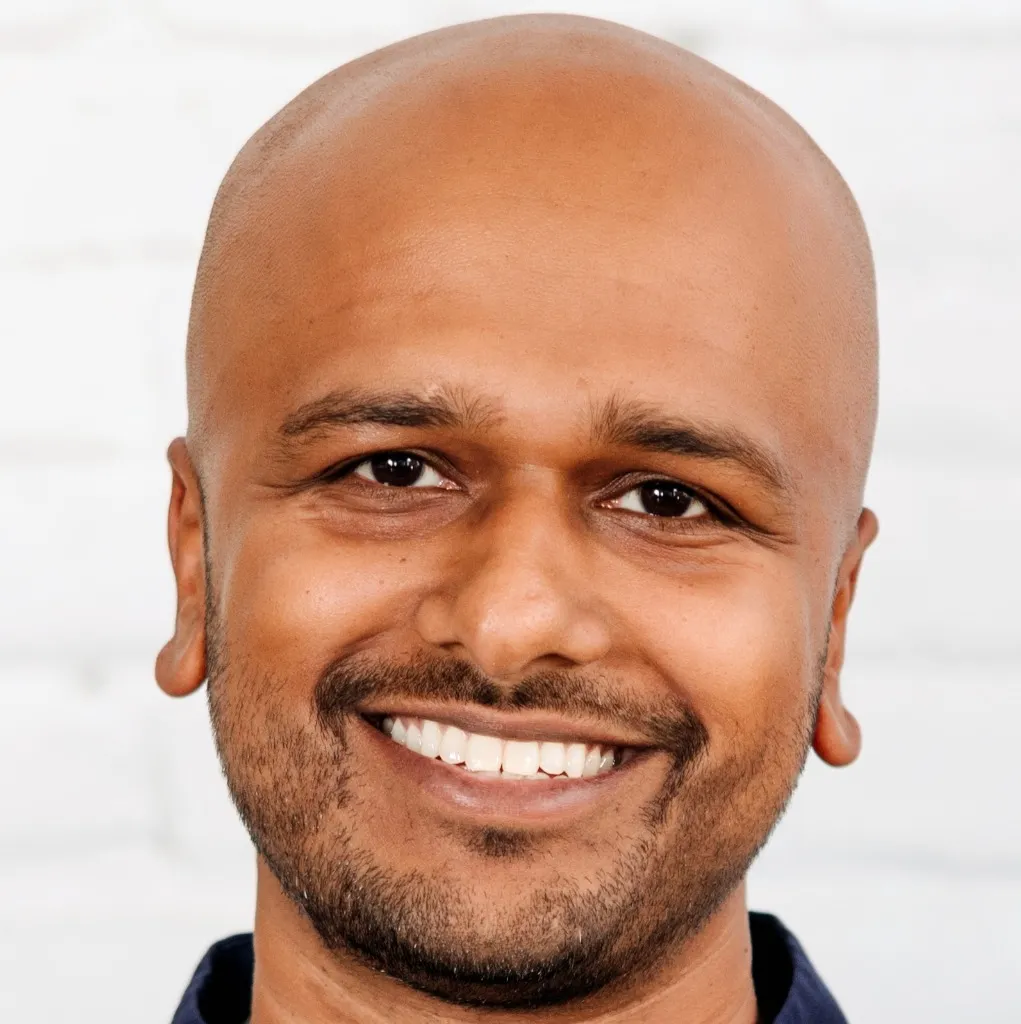
Dr. Ash
"In our practice, we find that 'normal' acts as a ceiling for most patients. Normal just means you are not dying today. It says nothing about how you will feel in 20 years. We do not aim for normal. We aim for optimal."

What Is Healthspan Optimization?

Most healthcare focuses on lifespan, the total number of years you are alive. Modern medicine has stretched that number. For many, those extra years are spent managing chronic disease, disability, and cognitive decline.

Healthspan is the period of life spent in good health, free from disability and disease.

Dr. Ash
"Patients might tell us, 'I don't want to get old.' What most people fear is frailty, not age - and frailty is largely preventable. I've spent time with 60-year-olds who have the health and function of a 90-year-old, and I've seen the opposite. I spend a lot of time sitting down with my 90-year-olds who are still healthy and living well, learning how they live, and I bring that discipline to my practice. Age is a number; vitality is an act."

Healthspan optimization is about being that 67-year-old who is hiking, traveling, and living without limitation.

We practice Medicine 3.0, a proactive, data-driven approach that moves the focus from treating disease (Medicine 2.0) to preventing it.

The Medicine 3.0 Difference

FeatureStandard Primary Care (Medicine 2.0)Anti-Aging / MedSpaFishtown Medicine (Medicine 3.0)
FocusTreating established diseaseSelling aesthetics and quick fixesTreat disease early. Prevent future decline.
DiagnosticsBasic panel (CBC, lipid panel)Hormone panel onlyFull risk architecture (ApoB, CGM, genes)
ProviderNP or PA (high volume)Esthetician or nurseBoard-certified physician (Dr. Ash)
Goal"In range""Feeling young now"Optimal function for decades

What Are the 4 Pillars of Healthspan?

We do not guess. We verify. Our Healthspan Partnership is built on a detailed audit of your physiology using tools that insurance-based practices often skip because they are not "medically necessary" until you are already sick.

1. The Cardiovascular Fortress (Heart Health)

Heart disease is still the number one killer in Philadelphia and the United States. Standard lipid panels miss up to 50% of people at risk because they only measure the weight of your cholesterol (LDL-C), not the number of particles.

What We Do:

  • ApoB Testing: We measure Apolipoprotein B, the particle that actually drives plaque into your artery walls.
  • Lp(a) Screening: We check for this genetic risk factor that affects 1 in 5 people but is rarely tested.
  • Vascular Imaging: We refer for coronary CT angiography (Cleerly analysis) to detect both calcified and soft plaque. A calcium score alone misses the most dangerous type.

2. Metabolic Architecture (Energy and Weight)

Metabolic dysfunction is the upstream cause of most chronic diseases, including cancer and dementia ("type 3 diabetes"). If you feel "foggy" or "hangry" between meals, your metabolic flexibility is compromised.

What We Do:

  • CGM Analysis: We prescribe continuous glucose monitors (Dexcom or Abbott) to see exactly how your Wawa pretzel or La Colombe oat milk latte affects your blood sugar in real time.
  • Fasting Insulin: We catch insulin resistance years before it shows up as high blood sugar (HbA1c).
  • Visceral Fat Assessment: We track waist-to-height ratios to identify dangerous "hidden" fat around your organs.

3. Cognitive Protection (Brain Health)

Fishtown Medicine

A 90-minute conversation with Dr. Ash. A written plan you can actually follow.

Start your intake

The most feared part of aging is not death. It is losing your mind. Alzheimer's disease starts developing 20 to 30 years before the first symptom appears. The time to protect your brain is in your 30s, 40s, and 50s.

What We Do:

  • ApoE Genotyping: We test your genetic risk for Alzheimer's (ApoE3/4 or 4/4 status) to set lipid targets accordingly.
  • Homocysteine Optimization: We make sure your B-vitamin methylation pathways are working to protect your neurons.
  • Sleep Architecture: We analyze your sleep quality (often validating Oura or Whoop data clinically) to ensure your brain's glymphatic system is clearing toxins at night.

4. Muscle as a Key Organ (Physical Function)

Muscle is your retirement account. The more you deposit now, the more you have to draw on when you are 80. Frailty is a major cause of mortality, and it starts with sarcopenia (muscle loss) in your 30s.

What We Do:

  • VO2 Max Estimation: We use fitness testing to estimate your aerobic capacity, the single strongest correlate with longevity.
  • Strength Standards: We benchmark your grip strength and dead hang times against longevity percentiles.
  • Protein Planning: We prescribe specific protein targets (often more than 1 gram per pound of bodyweight) to combat anabolic resistance.
Dr. Ash
"Eating 'healthy' is too vague to be useful. What matters is eating for your biochemistry: if your CGM spikes to 180 after oatmeal, then oatmeal is not the right choice for you."

Why Do Driven Professionals in Philly Choose Fishtown Medicine?

We serve the founders in Northern Liberties, the creatives in Fishtown, and the executives who commute to Center City. They choose us because they value agency.

  • You Own Your Data: We explain every number. You are not just told "it is fine." You understand why each number matters.
  • Direct Access: Questions about your supplement stack? Text your physician. No portal queue or 3-day wait.
  • No Biohacking Hype: We do not sell unproven peptides or expensive proprietary urine tests. We stick to what has clinical evidence.

When Should You Start?

The best time to plant a tree was 20 years ago. The second best time is now.

If you are over 30 and want to make sure your next 30 years are your best, this is for you. If you are seeing early signs of burnout, fatigue, or metabolic slowing, do not wait for a diagnosis to start treating your health.

Actionable Steps for Philadelphians

Build the foundation. Then optimize.

  1. Pull Your Numbers: Order ApoB, fasting insulin, hsCRP, and HbA1c at your next visit. If your current doctor will not, we can.
  2. Lift 3 Times a Week: Schedule three 45-minute strength sessions a week to build your muscle account.
  3. Audit Your Sleep: Use a wearable (Oura, Whoop, Apple Watch) for 30 days and look at deep sleep, REM, and resting heart rate trends.

Related at Fishtown Medicine

  • Annual Physical - what a comprehensive annual physical actually includes
  • Executive Physical - the deep-dive preventive workup for driven professionals
  • Preventive Care - the proactive medicine approach to staying well
  • Longevity Medicine - Medicine 3.0 applied to your day-to-day care
  • Functional Medicine - what functional medicine offers and where it overlaps with internal medicine
Ashvin Vijayakumar MD (Dr. Ash)

Fishtown Medicine | Services

2418 E York St, Philadelphia, PA 19125·(267) 360-7927·hello@fishtownmedicine.com·HSA/FSA Eligible

Scientific References

  1. Sniderman AD, et al. Apolipoprotein B Particles and Cardiovascular Disease. JAMA Cardiol. 2019.
  2. Mandsager K, et al. Association of Cardiorespiratory Fitness With Long-term Mortality. JAMA Netw Open. 2018.
  3. Phillips SM. A brief review of higher dietary protein diets in weight loss. Nutr Metab (Lond). 2016.
Medical Disclaimer: This resource provides educational context only. In the world of Precision Medicine, there is no "one size fits all." The right protocol must be matched to your unique lab work, physiology, and goals. Consult Dr. Ash to determine if this approach is right for you, particularly if you have chronic health conditions or are taking prescription medications.

Frequently Asked Questions

Common Questions

We prefer "pro-aging." We cannot stop the clock. Aging is a natural process. Decrepitude is not. We focus on compression of morbidity, which means keeping you highly functional until very late in life rather than dragging out a slow decline.
Our Healthspan Partnership is a transparent membership model. Insurance does not pay for prevention until you are sick (that is the trap in the current healthcare system). You can use your insurance for the labs, imaging, and medications we order, often saving you thousands.
We practice evidence-based medicine. If your labs show a true deficiency (hypogonadism or low testosterone, menopause symptoms) and you meet safety criteria, we manage replacement therapy effectively. We do not prescribe "cycles" or supraphysiological doses for enhancement.
A standard physical takes about 12 minutes and uses 1970s lab panels. Our Healthspan Diagnostic takes 90 minutes and uses advanced biomarkers (ApoB, fasting insulin, full thyroid panel, hsCRP). The follow-up plan is built around prevention and optimization, not just "you are normal."
No. Most patients start with at least one foundation that needs work (sleep, nutrition, movement, stress, environment). We meet you where you are and build a 12-month plan that compounds over time. Starting late is far better than not starting.
We coordinate with your specialists. We are your primary care doctor and longevity strategist. We send detailed clinical summaries, review their notes with you, and integrate their recommendations into your plan. You get continuity instead of fragmented care.
Most healthspan work requires a 12-month relationship to track changes and adjust the plan. We do offer "Executive Audit" one-time consultations for patients who already have a primary care doctor and want a strategic review. Most one-time patients eventually become members.
Yes. Many of our members come in with a partner. We personalize each plan individually but coordinate when it makes sense, particularly for shared lifestyle factors like sleep environment, kitchen strategy, and exercise routines.

Deep-Dive Questions

Lifespan is the total number of years you are alive. Healthspan is the number of years you spend in good health, free from disease and disability. Modern medicine has extended lifespan more than healthspan, which is why many people spend their final 10 to 15 years managing chronic illness.
Medicine 2.0 is the post-antibiotic system that treats disease after diagnosis. Medicine 3.0 is a proactive, data-driven framework that uses advanced biomarkers and lifestyle interventions to reduce disease risk earlier. Peter Attia popularized the term, but the underlying ideas (preventive cardiology, metabolic health, sarcopenia prevention) come from decades of research.
ApoB measures every atherogenic particle (LDL, VLDL, IDL, Lp(a)). Each particle carries one ApoB protein. Studies (Sniderman et al., 2019; Marston et al., 2022) show ApoB outperforms LDL-C and non-HDL cholesterol as a predictor of cardiovascular events. The lower your ApoB, the lower your lifetime risk.
CGMs reveal how specific foods, sleep, stress, and exercise affect your glucose patterns in real time. Even non-diabetic patients learn that "healthy" foods like oatmeal, granola, or oat milk lattes can cause large spikes that drive cravings, fatigue, and long-term metabolic dysfunction. We use 2- to 4-week CGM trials to personalize nutrition.
Type 3 diabetes is a clinical concept that links insulin resistance in the brain to Alzheimer's disease. The brain depends on glucose, and impaired insulin signaling can drive amyloid plaque formation and cognitive decline. Lowering systemic insulin resistance through diet, exercise, and (when appropriate) metformin or GLP-1 medications may protect cognition over decades.
Grip strength is a simple proxy for total body strength, neuromuscular health, and frailty risk. Studies (UK Biobank, 2018) show low grip strength predicts mortality, cardiovascular events, and dementia better than blood pressure in older adults. We measure it at every Healthspan Diagnostic.
Older studies recommended 0.8 grams of protein per kilogram of bodyweight. Newer research (Phillips, 2016) suggests active adults benefit from 1.6 to 2.2 grams per kilogram (roughly 0.7 to 1 gram per pound) to preserve and build muscle, particularly after age 40 when anabolic resistance sets in.
Deep sleep activates the glymphatic system, which clears beta-amyloid (a protein implicated in Alzheimer's) from the brain. Chronic short sleep, untreated sleep apnea, and shift work raise long-term cognitive risk. We use wearables and home sleep tests to identify and correct sleep architecture issues.
GLP-1 receptor agonists lower blood glucose, reduce visceral fat, and may protect cardiovascular and cognitive health. They are appropriate for patients with type 2 diabetes, obesity, or significant metabolic dysfunction. We discuss them when the data supports them and pair them with strength training and protein intake to preserve muscle mass.
We use a combination of family history, ApoB, Lp(a), hsCRP, blood pressure, and any chest symptoms to estimate cardiovascular risk. For intermediate or high-risk patients who want clarity, a coronary CT angiogram (often with Cleerly analysis) shows soft and calcified plaque directly. We refer to Penn or Jefferson for the imaging.
Fishtown Medicine prescribes only FDA-approved peptide medications obtained through licensed US pharmacies. That includes GLP-1 receptor agonists, Sermorelin, and Tesamorelin where clinically indicated. We do not prescribe, recommend, administer, or supply research-grade or non-FDA-approved peptides (such as BPC-157, TB-500, CJC-1295, Ipamorelin, or similar compounds) - state medical boards have made clear that physician involvement with these substances is prohibited. NMN, rapamycin, and similar early-stage compounds also lack long-term human safety data and we do not routinely prescribe them. For most patients, the foundational work (sleep, nutrition, physical activity, biomarkers) drives the vast majority of healthspan results.
We track quarterly biomarkers (ApoB, fasting insulin, hsCRP, HbA1c, CBC, ferritin, vitamin D, thyroid panel), wearable data trends (HRV, deep sleep, resting heart rate), body composition (DEXA or InBody every 6 months), and functional metrics (grip strength, VO2 Max, dead hang). The combined trend tells the story.

Ready when you are

Start your intake

Dr. Ash reads every intake himself, and answers questions personally - usually within a few hours.

Related Intelligence

Performance Physical Philadelphia: 4 Tests That Predict How You Age

Performance Physical Philadelphia: 4 Tests That Predict How You Age

A performance physical measures how well you are aging: VO2 max, grip strength, mobility, and body composition - the 4 tests that predict healthspan.

Read Deep Dive
Healthspan vs Lifespan: Why Living Longer Is Not Enough | Philadelphia

Healthspan vs Lifespan: Why Living Longer Is Not Enough | Philadelphia

Americans live to about 78 but spend the last 12 years sick and dependent. A Philadelphia primary care practice on why healthspan is the real metric.

Read Deep Dive
Accidental Death Prevention Philadelphia | The Missing Horseman of Medicine 3.0

Accidental Death Prevention Philadelphia | The Missing Horseman of Medicine 3.0

The number one cause of death for people under 45 is not cancer or heart disease. It is accidental injury. How to prevent the unforced error in your longevity plan.

Read Deep Dive

New patients

Talk it through with Dr. Ash.

If anything you read here raised a question, start with a short intake - your story in your own words. Dr. Ash reads every one personally, and you can text or email us anytime.

HSA/FSA eligible
No initiation or cancellation fees
No copays
Start your intake →
FishtownFish wrapped around the rod of AsclepiusMedicine
Philadelphia Primary Care
2418 E York St, Philadelphia, PA 19125Primary care in PhiladelphiaHome visits in Greater PhiladelphiaPricing & MembershipGER·O·SPAN: our clinical frameworkDigital Health Literacy

Serving Fishtown · Northern Liberties · East Kensington · Olde Richmond · Port Richmond · Old City · Callowhill · Poplar · Center City · Center City West · Art Museum · Bella Vista · Chestnut Hill · Fairmount · Fitler Square · Graduate Hospital · Logan Square · Manayunk · Queen Village · Rittenhouse · Roxborough · Society Hill · Southwark · Bryn Mawr, PA · Gladwyne, PA · Villanova, PA · Wayne, PA · Cherry Hill, NJ · Haddonfield, NJ · Medford, NJ · Moorestown, NJ · Voorhees, NJ

Explore by topic

Women’s Health
  • Perimenopause
  • Menopause 3.0
  • PCOS
  • Fertility
Men’s Health
  • Testosterone (TRT)
  • Sleep Apnea & Low T
  • Andropause
  • Low Libido
Metabolic
  • Medical Weight Loss
  • Ozempic vs Metformin
  • Fasting Protocols
  • Visceral Fat
Cardiovascular
  • apoB & Heart Health
  • apoB vs LDL
  • Lp(a) Cholesterol
  • ED & Heart Risk
Longevity + Performance
  • Healthspan vs Lifespan
  • Biological Age
  • VO2 Max
  • Zone 2 Training
Supplements
  • Magnesium
  • Creatine
  • Omega-3
  • Foundational Stack
  • Supplement Guides
Care in Philadelphia +
Direct Primary Care in Philadelphia, PAConcierge Medicine in Philadelphia, PAConcierge vs DPC in Philadelphia, PALongevity Medicine in Philadelphia, PAPreventive Care in Philadelphia, PAExecutive Physical in Philadelphia, PAAnnual Physical in Philadelphia, PAHealthspan Optimization in Philadelphia, PAFunctional Medicine in Philadelphia, PASame-Day Sick Visits in Philadelphia, PATestosterone Replacement Therapy in Philadelphia, PAPerimenopause Care in Philadelphia, PAMenopause Care in Philadelphia, PAThyroid Treatment in Philadelphia, PAPCOS Care in Philadelphia, PAGLP-1 Weight Loss in Philadelphia, PAMetabolic Health in Philadelphia, PAHormone Optimization in Philadelphia, PAAdvanced Lipid Testing in Philadelphia, PAVO2 Max Testing in Philadelphia, PADEXA Scan in Philadelphia, PACGM in Philadelphia, PALong COVID Care in Philadelphia, PAChronic Fatigue Treatment in Philadelphia, PAPOTS Treatment in Philadelphia, PAMCAS Treatment in Philadelphia, PALyme Disease Care in Philadelphia, PABrain Fog Treatment in Philadelphia, PASleep Disorders Treatment in Philadelphia, PAStrep Throat Treatment in Philadelphia, PAUTI Treatment in Philadelphia, PASinus Infection Treatment in Philadelphia, PASTI Testing in Philadelphia, PATravel Medicine in Philadelphia, PAPre-Op Clearance in Philadelphia, PASports Club Medicine in Philadelphia, PA

Made it this far? You’re already most of the way there. let’s get started → Dr. Ash reads every word personally.

Content is for educational purposes only and does not constitute medical advice.

TermsPrivacyScope of PracticeClinical Independence