FishtownFish wrapped around the rod of AsclepiusMedicine
Philadelphia Primary Care
How It Works
What People Say
Patient reviews across 6 platforms
Articles
Symptoms
What your body is telling you
Treatments
Protocols, prescriptions, therapies
Longevity
Medicine 3.0 strategies
Heart Health & Risk
Protect your heart & vessels
Metabolism
Insulin, blood sugar, weight
Hormones
TRT, thyroid, menopause, andropause
Performance
VO2 max, muscle, sleep, gut
Playbooks
Step-by-step frameworks
About
Meet Dr. Ash
Your Physician
GERO·SPAN
Our Clinical Framework
FAQ
Common Questions
Book a Free Call
What Is Medicine 3.0? The Shift from Reactive to Proactive Health
Fishtown Medicine•8 min read
4.96 (124)

What Is Medicine 3.0? The Shift from Reactive to Proactive Health

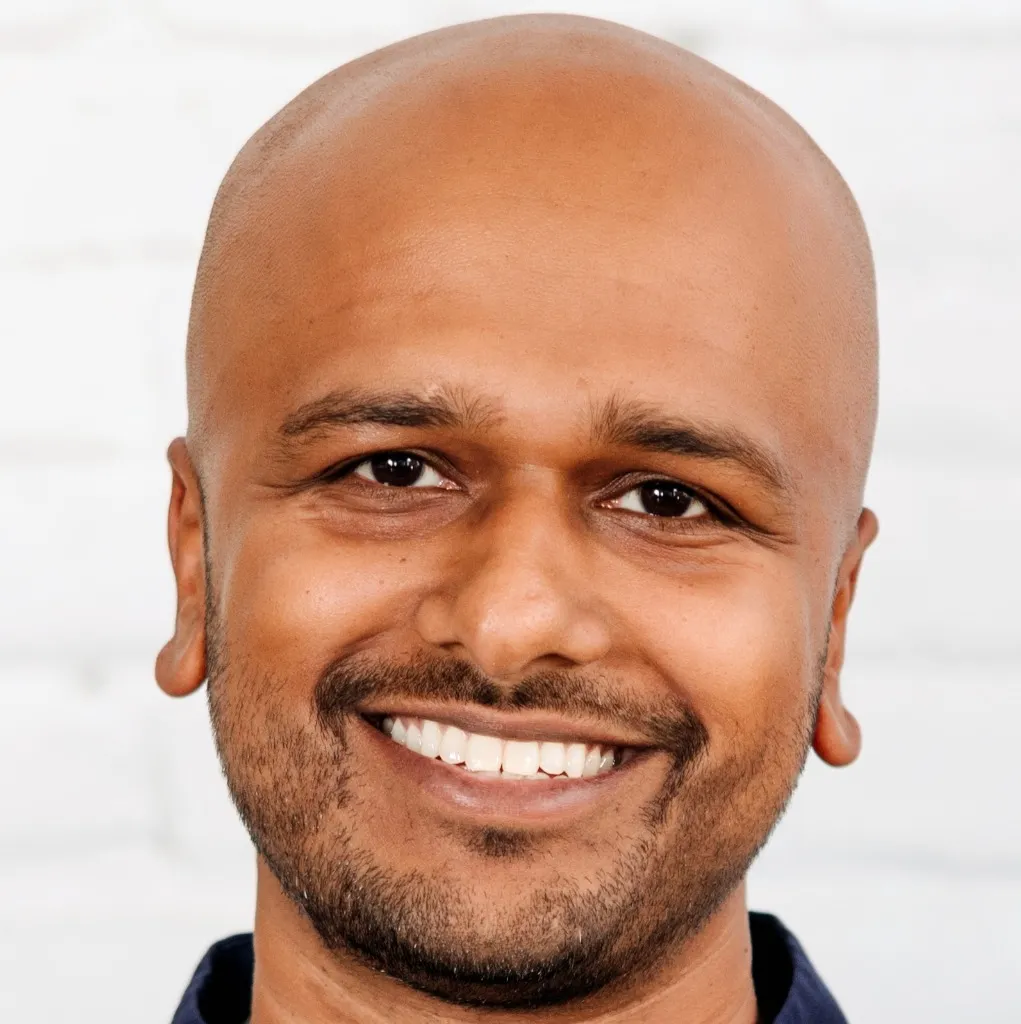
Ashvin Vijayakumar MD

Medically Reviewed

Ashvin Vijayakumar MD•Updated May 23, 2026
On This Page
  • Table of Contents
  • Why "Normal Labs" Is Not Enough
  • Medicine 2.0 vs Medicine 3.0
  • The Comparison
  • The Six Threats Medicine 3.0 Targets
  • 1. Metabolic Dysfunction (the foundation)
  • 2. Cardiovascular Disease (the silent risk)
  • 3. Cancer (the cell gone rogue)
  • 4. Neurodegenerative Disease (the loss of self)
  • 5. Accidental Death (the unforced error)
  • 6. Emotional Health (the silent struggle)
  • The Marginal Decade
  • The Fishtown Medicine Ecosystem
  • The Longevity Toolbox
  • Guidance from the Clinic
  • Actionable Steps in Philly
  • Key Takeaways
  • Common Questions
  • What is Medicine 3.0?
  • How is Medicine 3.0 different from Medicine 2.0?
  • Is Medicine 3.0 covered by insurance?
  • Do I need to be sick to benefit?
  • Is Medicine 3.0 the same as biohacking?
  • How long does it take to see results?
  • Will I have to take many supplements?
  • Do I have to give up alcohol?
  • Is Medicine 3.0 only for high-performers?
  • How is Dr. Ash qualified to practice this?
  • Deep Questions
  • Why does the standard system focus so heavily on RCTs?
  • What is "evidence-informed medicine"?
  • How does Medicine 3.0 handle uncertainty?
  • Why is the "Marginal Decade" so common?
  • What is the role of wearables in Medicine 3.0?
  • How does Medicine 3.0 view supplements?
  • What is "compression of morbidity"?
  • How does Medicine 3.0 deal with overdiagnosis?
  • What role does mental health play in this framework?
  • How does Fishtown Medicine actually run a Medicine 3.0 visit?
  • How does this approach interact with specialists?
  • Is Medicine 3.0 expensive?
  • Can lifestyle alone deliver these results?
  • Is this approach safe long-term?
  • Where does Fishtown Medicine fit among Philly options?
  • Scientific References

Get a preventive doctor that knows you.

Consult Dr. Ash
TL;DR · 30-second take

Medicine 3.0 is a way of practicing medicine that focuses on preventing the slow diseases of aging decades before they show up. Instead of waiting for a diagnosis, it uses advanced labs, imaging, exercise, sleep, nutrition, and emotional health to extend the years you live well.

What Is Medicine 3.0? A Plain-English Guide

TL;DR: Medicine 1.0 was best guesses. Medicine 2.0 saves lives in emergencies but waits too long for slow chronic disease. Medicine 3.0 starts decades earlier, treats prevention as a core service, and uses better data to extend the years you live well, not just the years you live.

Table of Contents

  • Why "Normal Labs" Is Not Enough
  • Medicine 2.0 vs Medicine 3.0
  • The Six Threats Medicine 3.0 Targets
  • The Marginal Decade
  • The Fishtown Medicine Ecosystem
  • Common Questions
  • Deep Questions

Why "Normal Labs" Is Not Enough

Most weeks, someone walks into our practice after a standard physical somewhere else. They were told their blood pressure is fine, their heart sounds good, and their basic lipid panel is "normal." They left feeling relieved. Then, sitting on their couch a week later, they wonder: if I am normal, why am I so tired? Why am I gaining weight? Why can I not focus? The answer is that they were treated by Medicine 2.0. Medicine 2.0 is the standard of care that built modern hospitals. It is excellent at saving lives from infection, trauma, and acute illness. It is much weaker at preventing the slow, silent decline of aging, the kind that shows up as fatigue, brain fog, weight gain, and disease decades later. I have spent years caring for the complications that emerge when clinicians wait for symptoms before acting. I have seen heart attacks in "healthy" 50-year-olds. I have seen sudden metabolic crashes in high-performers who were told everything was "fine." That experience shaped how I practice today. Fishtown Medicine is built around Medicine 3.0, a model that shifts focus from reactive care to proactive prevention, executed in primary care.

Medicine 2.0 vs Medicine 3.0

The standard healthcare system in Philadelphia, the Penns and Jeffersons of the world, is built largely on evidence-based medicine drawn from short-term randomized trials. It asks, "Does this pill reduce one event in 5 years?" That is a fine question, but it is not the only one. Medicine 3.0 uses evidence-informed medicine. It asks, "What is the optimal physiology for a person to live to 90 with full function, and what does the data point us toward today?" That is a different lens, and it leads to different decisions.

The Comparison

FeatureMedicine 2.0 (Standard Care)Medicine 3.0 (Fishtown Medicine)
GoalTreat diseasePrevent disease and extend healthspan
TimingReactive (wait for symptoms)Proactive (start decades early)
Targets"Normal" reference ranges"Optimal" physiology
ApproachOne size fits all guidelinesPersonalized to your biology and goals

The Six Threats Medicine 3.0 Targets

To extend healthspan, we have to address the things most likely to end it. These are the major risks our framework targets.

1. Metabolic Dysfunction (the foundation)

Metabolic dysfunction is the soil in which many other diseases grow. Insulin resistance (when cells respond poorly to insulin) and poor blood sugar control raise the risk of heart disease, cancer, and dementia.
  • Strategy: measure fasting insulin, A1c, and use a continuous glucose monitor (CGM) when needed. Build muscle as a glucose sink. See metabolic health.

2. Cardiovascular Disease (the silent risk)

Heart disease is still the leading cause of death in the U.S., and it is largely preventable. Standard care often waits for a 10-year risk score to cross a threshold. We look at lifetime risk.
  • Strategy: track ApoB and lipoprotein(a). Use coronary CT angiography to see plaque before it causes blockage, instead of guessing from a calculator.

3. Cancer (the cell gone rogue)

Cancer can feel random, but the data shows that metabolic health, inflammation, alcohol, sleep, and visceral fat shape the soil cancer grows in.
  • Strategy: combine standard screening with advanced tools like whole-body MRI and the Galleri liquid biopsy, and improve metabolic and inflammatory markers.

4. Neurodegenerative Disease (the loss of self)

There is no cure for Alzheimer's once memory is meaningfully lost. Prevention is the only real medicine.
  • Strategy: protect sleep (the brain's cleaning cycle), build vascular health, lower ApoB, support hormones, and treat insulin resistance early. See brain health.

5. Accidental Death (the unforced error)

For Americans under 45, the leading cause of death is not a chronic disease. It is unintentional injury, including car crashes, falls, and overdose. A Medicine 3.0 plan addresses this directly.

Fishtown Medicine

A 90-minute conversation with Dr. Ash. A written plan you can actually follow.

Book a Free 20-Min Call
  • Strategy: seatbelts, no phones while driving, defensive cycling, situational awareness on foot, naloxone in the home where appropriate. See accidental death prevention.

6. Emotional Health (the silent struggle)

Living to 100 is not a victory if those years feel empty. Suicide and overdose are leading causes of death under 45, and chronic stress, depression, and loneliness affect long-term outcomes for the heart, brain, and metabolism.
  • Strategy: screen for purpose, connection, and psychological distress. Treat mental health with the same care as cancer screening. See emotional health.
Medicine 3.0 Shield Strategy

The Marginal Decade

Most Americans now spend the last 10 to 12 years of life in a state of disability and disease, sometimes called the "Marginal Decade." Mobility is limited. Pain is daily. Independence is largely gone. Our goal is to square the curve: keep you functional for as long as possible and shorten the decline at the end. We want your last decade to look more like your 50s than the typical 80s. To do this, we train for the Centenarian Decathlon: a personalized list of 10 physical tasks you want to be able to do in your 80s and 90s. Picking up a 30-pound child. Climbing 3 flights of stairs with groceries. Getting off the floor without a hand. Read more in our pillar on longevity performance.

The Fishtown Medicine Ecosystem

We have built a content library that maps to the levers of Medicine 3.0:
  • Inputs: precision nutrition and sleep optimization.
  • Regulation: hormone optimization and emotional health.
  • Outputs: longevity and performance.
You do not need to figure this out alone.

The Longevity Toolbox

CategoryToolPurpose
LipidsStatins, ezetimibe, PCSK9 inhibitorsLower ApoB and reduce heart disease risk
MetabolismMetformin, SGLT2 inhibitors, GLP-1 agonistsImprove insulin sensitivity and glucose handling
ImagingDEXA, coronary CTA, whole-body MRIMeasure bone, body composition, plaque, and tumors
WearablesOura, Whoop, Apple Watch, CGMsContinuous data on sleep, stress, glucose

Guidance from the Clinic

Dr. Ash
"Medicine 3.0 is not biohacking or experimentation. It is professional risk management and rigorous science applied to the individual. Patients are active partners and CEOs of their health. The physician is the consultant who has their back."
A common conversation:
"Dr. Ash, isn't this just biohacking?"
My answer: biohacking is amateur experimentation. Medicine 3.0 is professional risk management. We do not chase unproven peptides or trendy protocols. We use careful physiology, well-validated diagnostics, and safety-first pharmacology. We take the burden of complexity off your plate, interpret the research, and build a real plan, so you can focus on execution.

Actionable Steps in Philly

Do not wait for a diagnosis to start caring for your future self.
  1. Define your goals: what do you want your life to look like at 90? Be specific.
  2. Audit your risks: know your ApoB, HOMA-IR, blood pressure, hs-CRP, and VO2 max.
  3. Find a real partner: you cannot navigate Medicine 3.0 in a 15-minute appointment. You need someone with time to think.
  4. Anchor on the basics: sleep 7 to 9 hours, lift 2 to 3 times a week, walk daily, eat a protein-forward, plant-rich diet.
  5. Start now, not later: the math of compound interest applies to physiology too.
At Fishtown Medicine, we have stripped away the insurance bureaucracy to give you that time. Book your Warm Invitation Call

Key Takeaways

  • Medicine 3.0 is proactive primary care. It starts decades before disease.
  • Six big threats drive most early death. Metabolic, cardiovascular, cancer, neurodegenerative, accidental, and emotional.
  • Targets are personalized, not population-wide. Optimal labs, not just "normal."
  • Data and judgment go together. Wearables and labs inform decisions, but a real clinician interprets them.
  • The goal is healthspan. A short, gentle decline at the end of a long, capable life.

Scientific References

  1. Attia P. Outlive: The Science and Art of Longevity. Harmony/Rodale; 2023.
  2. Topol E. Deep Medicine: How Artificial Intelligence Can Make Healthcare Human Again. Basic Books; 2019.
  3. Sinclair D. Lifespan: Why We Age and Why We Don't Have To. Atria Books; 2019.
  4. CDC WONDER. Leading Causes of Death Reports, 1981-2022. Centers for Disease Control and Prevention.
  5. CDC National Center for Health Statistics. Suicide Mortality in the United States, 2000-2020.
Medical Disclaimer: This resource provides clinical context for educational purposes. In the world of Precision Medicine, there is no "one size fits all", the right treatment plan must be matched to your unique lab work, physiology, and goals. Consult Dr. Ash to determine if this approach is right for you, especially if you have chronic health conditions or are taking prescription medications.

Frequently Asked Questions

Common Questions

Medicine 3.0 is a model of medical practice focused on preventing the major chronic diseases of aging decades before they appear. It uses advanced labs, imaging, exercise prescriptions, sleep work, nutrition, and emotional health support to extend the years you live well. It is not an alternative system. It builds on standard medicine.
Medicine 3.0 is different from Medicine 2.0 in three main ways. The goal shifts from treating disease to preventing it and extending healthspan. The timing moves earlier, often into the 30s and 40s. And the targets shift from "normal" lab ranges to "optimal" physiology, personalized to each patient.
Medicine 3.0 is covered by insurance only in part. Insurance generally covers care for diagnosed disease, not proactive optimization. At Fishtown Medicine, we work outside the insurance model for membership-based care, which buys you time and depth, while making your insurance work for you for labs and imaging where it can.
No, you do not need to be sick to benefit from Medicine 3.0. The best time to start is while you are still well, because preventing damage is far easier than reversing it. Patients in their 30s and 40s often see the largest long-term benefits.
Medicine 3.0 is not the same as biohacking. Biohacking is often amateur experimentation, sometimes with unproven supplements or peptides. Medicine 3.0 is professional risk management built on real physiology, validated diagnostics, and safety-first medication choices, supervised by a board-certified clinician.
You can usually see meaningful changes in labs and how you feel within 8 to 16 weeks of consistent work, especially in metabolism, sleep, and energy. Long-term outcomes like reduced cardiovascular events or lower dementia risk play out over years and decades, but the early wins are real and motivating.
You will not necessarily need many supplements. We do not start with a long supplement stack. The foundation is sleep, training, food, and well-chosen medications when needed. We add specific supplements only when there is a clear reason and ideally a measurable target.
You do not have to give up alcohol entirely, but most patients benefit from cutting back. Alcohol affects sleep, blood pressure, lipids, weight, breast cancer risk, and brain health. Each person decides their own trade-off, and we share the data so the choice is informed, not pressured.
Medicine 3.0 is not only for high-performers. The same principles apply across ages, life stages, and incomes, even though the specific tests and tools may vary. Anyone who wants more time, better answers, and a real prevention plan can benefit.
Dr. Ash is board-certified in internal medicine, with deep experience in lipidology, endocrinology, and value-based care. He has built Fishtown Medicine around the principles of systems-thinking medicine, drawing on training and continued study with leaders in longevity science.

Deep-Dive Questions

The standard system focuses heavily on randomized clinical trials (RCTs) because they are the most rigorous way to test single interventions. RCTs are excellent for answering narrow questions like "Does drug X reduce heart attacks in 5 years?" They are less useful for the 30-year, multi-factor questions of healthspan, where waiting for a perfect trial would mean ignoring decades of patients who need help today.
Evidence-informed medicine uses RCT data when it exists, but also draws on physiology, mechanism, observational studies, and clinical experience to make decisions. It accepts that for many longevity questions, a single perfect trial will never exist, and waiting indefinitely is itself a choice with consequences. The goal is to act on the best available evidence, not perfect evidence.
Medicine 3.0 handles uncertainty by being explicit about it. We tell patients which interventions are well established, which are reasonable based on mechanism and observational data, and which are still experimental. We avoid overclaiming benefit, and we adjust as new data emerges. The goal is honest probability management, not false certainty.
The Marginal Decade is so common because most people cross multiple silent thresholds in midlife: insulin resistance, plaque buildup, slow muscle loss, sleep disruption, and cognitive decline. Each builds quietly until something tips. Once that happens, repair is much harder than prevention would have been.
Wearables play a useful supporting role in Medicine 3.0. They give continuous data on sleep duration, sleep stages, heart rate, heart rate variability (HRV), and movement. Used with judgment, that data helps us calibrate training, recovery, and stress management. Used without judgment, it can become noise or anxiety. The clinician's job is to filter signal from noise.
Medicine 3.0 views supplements as targeted tools, not magic bullets. Some, like high-dose omega-3, vitamin D, magnesium, and creatine, have solid evidence for specific uses. Others are weakly supported. We use supplements where they fit a clear physiological gap and stop them when they do not deliver measurable value.
Compression of morbidity, a concept introduced by Dr. James Fries in 1980, is the goal of squeezing the period of disease and disability into the shortest window before death. Instead of 12 years of decline, the goal is 1 to 2 years. Almost every choice in a Medicine 3.0 plan is aimed at compressing that window.
Medicine 3.0 acknowledges the real risk of overdiagnosis when broad imaging and screening are used. The way we counter it is with judgment: explaining what each finding likely means, planning follow-up that fits the actual risk, and avoiding unnecessary biopsies or treatments for benign findings. The goal is action on real signals, not panic at every shadow.
Mental health is a central pillar of Medicine 3.0, not an afterthought. Suicide and overdose are leading causes of death under 45. Chronic depression, anxiety, and loneliness raise long-term risk for heart disease, dementia, and metabolic disease. Treating emotional health is part of medical care, not separate from it.
A Medicine 3.0 visit at Fishtown Medicine usually runs 60 to 90 minutes for new patients and 30 to 60 minutes for follow-ups. We review labs, imaging, wearables, and life context together. We agree on a plan with specific actions and check-in points, and we communicate between visits through messaging and short virtual calls when needed.
We coordinate closely with specialists at Penn, Jefferson, Temple, and Mainline when their expertise is needed. We do not "turf and refer" routine prevention. We do refer when a procedure, advanced imaging, or sub-specialty input genuinely improves care. The patient stays at the center, and we keep the bigger picture in view.
Medicine 3.0 can cost more upfront than standard insurance-based care because of membership models, advanced labs, and optional imaging. Over time, by preventing major events and reducing the need for years of disease management, the financial and personal cost can be much lower. We are transparent about pricing, and we help patients prioritize the highest-yield steps first.
Lifestyle alone delivers a large share of Medicine 3.0's benefits, especially when sleep, training, food, alcohol, and stress are all addressed seriously. Some patients still need medications to fully control ApoB, blood pressure, glucose, hormones, or mood. The point is not "lifestyle vs. medicine," but the right combination for each person.
This approach is safe long-term when guided by a real clinician who watches labs, imaging, and symptoms. Most of the medications, supplements, and lifestyle interventions used have strong safety profiles when monitored. The biggest risk in any plan is not regular monitoring, which is why follow-up is non-negotiable.
Fishtown Medicine fits as a small, longevity-focused primary care practice that sits between concierge medicine and academic centers. We provide deep primary care with proactive prevention, coordinate carefully with regional specialists, and work directly for our patients rather than for a large hospital system. The practice is built around having time to think, not just time to chart.

Still have a question?

He answers personally. Usually within a few hours.

Related Intelligence

Healthspan vs Lifespan: Why Living Longer Is Not Enough | Philadelphia

Healthspan vs Lifespan: Why Living Longer Is Not Enough | Philadelphia

Americans live to about 78 but spend the last 12 years sick and dependent. A Philadelphia primary care practice on why healthspan is the real metric.

Read Deep Dive
Accidental Death Prevention Philadelphia | The Missing Horseman of Medicine 3.0

Accidental Death Prevention Philadelphia | The Missing Horseman of Medicine 3.0

The number one cause of death for people under 45 is not cancer or heart disease. It is accidental injury. How to prevent the unforced error in your longevity plan.

Read Deep Dive
Emotional Health and Longevity Philadelphia | Medicine 3.0

Emotional Health and Longevity Philadelphia | Medicine 3.0

Suicide and overdose are leading causes of death for adults under 45. How a Philadelphia primary care practice integrates emotional health into longevity care.

Read Deep Dive

Talk it through with Dr. Ash.

If anything you read here raised a question, this is a free 20-minute Warm Invitation Call. Pick a time and we’ll work through it together.

HSA/FSA eligible
No initiation or cancellation fees
No copays

Loading scheduler...

Having trouble with the scheduler? Book directly on Dr. Ash’s calendar

FishtownFish wrapped around the rod of AsclepiusMedicine
Philadelphia Primary Care
2418 E York St, Philadelphia, PA 19125Home visits in Greater Philadelphia

Serving Fishtown · Art Museum · Bella Vista · Callowhill · Center City · Center City West · Chestnut Hill · East Kensington · Fairmount · Fitler Square · Graduate Hospital · Logan Square · Manayunk · Northern Liberties · Old City · Olde Richmond · Poplar · Port Richmond · Queen Village · Rittenhouse · Roxborough · Society Hill · Southwark

Explore by topic

Women’s Health
  • Perimenopause
  • Menopause 3.0
  • PCOS
  • Fertility
Men’s Health
  • TRT Therapy
  • TRT Safety
  • TRT vs Enclomiphene
  • Low Libido
Metabolic
  • Medical Weight Loss
  • Ozempic vs Metformin
  • Fasting Protocols
  • Visceral Fat
Cardiovascular
  • apoB & Heart Health
  • apoB vs LDL
  • Lp(a) Cholesterol
  • ED & Heart Risk
Longevity + Performance
  • Healthspan vs Lifespan
  • Biological Age
  • VO2 Max
  • Zone 2 Training
Supplements
  • Magnesium
  • Creatine
  • Omega-3
  • Foundational Stack

Content is for educational purposes only and does not constitute medical advice.

TermsPrivacyScope of PracticeClinical Independence