FishtownFish wrapped around the rod of AsclepiusMedicine
Philadelphia Primary Care
How It Works
What People Say
Patient reviews across 6 platforms
Articles
Symptoms
What your body is telling you
Treatments
Protocols, prescriptions, therapies
Longevity
Medicine 3.0 strategies
Heart Health & Risk
Protect your heart & vessels
Metabolism
Insulin, blood sugar, weight
Hormones
TRT, thyroid, menopause, andropause
Performance
VO2 max, muscle, sleep, gut
Playbooks
Step-by-step frameworks
About
Meet Dr. Ash
Your Physician
GERO·SPAN
Our Clinical Framework
FAQ
Common Questions
Book a Free Call
The Missing Horseman: Why Road Safety is the Ultimate Longevity Strategy
Fishtown Medicine•9 min read
4.96 (124)

The Missing Horseman: Why Road Safety is the Ultimate Longevity Strategy

Ashvin Vijayakumar MD

Medically Reviewed

Ashvin Vijayakumar MD•Updated May 23, 2026
On This Page
  • Table of Contents
  • The Most Dangerous Thing You Did Today
  • The Unforced Error of Longevity
  • The Data
  • Vehicle Safety: Respect the Kinetic Energy
  • 1. The Notification Killer
  • 2. The Seatbelt Non-Negotiable
  • 3. Defensive Driving on I-76
  • Cycling in Philadelphia: Ride Like You Are Invisible
  • 1. The Door Zone
  • 2. The Right Hook
  • 3. Visibility Is Security
  • Pedestrian Safety: The City Walker
  • 1. The Mid-Block Trap
  • 2. The Left-Turn Threat (The A-Pillar Blind Spot)
  • Situational Awareness: The Cooper Color Code
  • The Home Front: Falls and Ladders
  • Guidance from the Clinic
  • Actionable Steps in Philly
  • Key Takeaways
  • Common Questions
  • Is accidental death prevention really medical advice?
  • What is the single most effective safety habit?
  • Why is distracted driving compared to drunk driving?
  • Should I keep a first aid kit in my car?
  • Is it really safer to ride a bike farther from parked cars?
  • Do pedestrians really get hit more often mid-block than at intersections?
  • What is the Cooper Color Code?
  • How does accidental death prevention fit into Medicine 3.0?
  • Should I worry about ladders and home falls?
  • What about overdose risk in younger adults?
  • Deep Questions
  • Why are accidents missing from most longevity plans?
  • How do I weigh long-term risks like ApoB against short-term risks like driving?
  • What does kinetic energy have to do with car safety?
  • Why is the A-pillar blind spot so dangerous for pedestrians?
  • How big is the door zone risk for cyclists?
  • What is the role of alcohol in accidental injury?
  • How does sleep deprivation compare to alcohol for driving risk?
  • How does naloxone fit into accidental death prevention?
  • Is there a connection between mental health and accidental death?
  • How does Philadelphia's street design affect risk?
  • What is "Stop the Bleed" and why does it matter?
  • How does this connect to risk magnitude and immediacy?
  • Why does Fishtown Medicine include safety in primary care visits?
  • Scientific References

Get a preventive doctor that knows you.

Consult Dr. Ash
TL;DR · 30-second take

Accidental injury is the leading cause of death for Americans under 45. Most longevity plans ignore it. Wearing a seatbelt, putting your phone away while driving, riding a bike with high visibility, and staying present when you walk are simple, high-impact moves that protect the years your diet and labs are trying to add.

Accidental Death Prevention: The Missing Horseman of Medicine 3.0

TL;DR: Heart disease, cancer, neurodegeneration, and metabolic disease get most of the attention in longevity medicine. For Americans under 45, none of those is the top cause of death. Unintentional injury is. A serious longevity plan has to include the simple, unglamorous habits that protect you on the road, on a bike, and in your own home.

Table of Contents

  • The Most Dangerous Thing You Did Today
  • The Unforced Error of Longevity
  • Vehicle Safety: Respect the Kinetic Energy
  • Cycling in Philadelphia: Ride Like You Are Invisible
  • Pedestrian Safety: The City Walker
  • Situational Awareness: The Cooper Color Code
  • The Home Front: Falls and Ladders
  • Common Questions
  • Deep Questions

The Most Dangerous Thing You Did Today

You probably spent time today thinking about your diet, your workout, or your supplements. Statistically, the most dangerous thing you did was merge onto the Schuylkill Expressway. In longevity medicine, we obsess over what some call "The Four Horsemen": heart disease, cancer, neurodegenerative disease, and metabolic dysfunction. Patients spend real money on advanced labs, MRI scans, continuous glucose monitors (CGMs), and high-quality food to push back against those four. There is a fifth horseman that almost no one plans for. It is unintentional injury. If you are under 45, you are statistically more likely to die from a car crash, a fall, or an accidental overdose than from a heart attack. Yet most "health optimization" plans ignore this part of the picture entirely.

The Unforced Error of Longevity

In tennis, an "unforced error" is losing a point not because your opponent made a great shot, but because you made an avoidable mistake. Dying in a preventable accident is the unforced error of longevity. I see patients who have pushed their ApoB (a marker of heart disease risk) under 60 mg/dL, who train hard, and who take a thoughtful stack of supplements. They are playing a careful long game against aging. Then they check email at 75 mph on I-95. That is a real tension. People spend years securing their life in 2050 while gambling with their life today.

The Data

According to the U.S. Centers for Disease Control and Prevention (CDC), unintentional injury is the leading cause of death for Americans aged 1 to 44.
  • Ages 1 to 44: number one cause of death (accidents).
  • Ages 45 to 64: number three cause of death, behind cancer and heart disease.
If we are serious about getting you to age 90 in good shape, we have to make sure you survive age 40 first.

Vehicle Safety: Respect the Kinetic Energy

The modern car is a 4,000-pound projectile moving at lethal speeds. It is the highest-risk environment most of us enter every day. Treat it accordingly. When you climb in, physics does not care about your intentions. It cares about mass and velocity.

1. The Notification Killer

Distracted driving is the new drunk driving. At 60 mph, glancing at a text for 5 seconds means you have driven the length of a football field with your eyes off the road.
  • The move: Set your phone to "Do Not Disturb While Driving" automatically. If you need to navigate, set it before you start moving. Do not touch the phone while the car is in motion. No notification is worth the risk.

2. The Seatbelt Non-Negotiable

Basic, but physics is basic.
  • The move: Everyone in the car buckles up, including the back seat. In a high-speed collision, an unbuckled back-seat passenger can be thrown forward with enough force to seriously injure or kill the driver, even if the driver is buckled.

3. Defensive Driving on I-76

Philadelphia highways are tight and often aggressive. The Schuylkill Expressway is a clinic in close calls.
  • The move: Assume everyone else is distracted. Leave a 3-second gap. Scan 10 seconds ahead.
  • Lane discipline: Every lane change is a risk event because of blind spots and speed differences. Constant weaving to save 2 minutes is a bad trade. Pick a lane and stay in it unless you need to exit or pass a hazard.

Cycling in Philadelphia: Ride Like You Are Invisible

I bike to patient home visits across Fishtown and Center City. I love it. I also know what a car bumper does to a human leg. I ride using the principles of BicycleSafe.com. The core idea is simple. From a driver's point of view, you are invisible.

1. The Door Zone

Never ride within the "door zone" of parked cars, even if it means taking the lane. A driver opening their door without looking can throw you into traffic instantly.
  • My rule: I ride about 3 feet from parked cars. If cars behind me have to slow down, they slow down.

2. The Right Hook

Fishtown Medicine

A 90-minute conversation with Dr. Ash. A written plan you can actually follow.

Book a Free 20-Min Call
Drivers often pass a cyclist and then immediately turn right, cutting them off.
  • My rule: I never pass a car on the right at an intersection. I take the lane or wait behind them.

3. Visibility Is Security

In the city, blending in is dangerous.
  • My rule: High-lumen lights, day and night. High-visibility gear. No noise-canceling headphones. I want to hear the car creeping up behind me.

Pedestrian Safety: The City Walker

Walking in Philly is one of the best parts of living here. It is also a tactical environment. Roughly three-quarters of pedestrian deaths happen at non-intersection locations, mid-block. Most people assume intersections are the most dangerous spots. They are not. Mid-block is where drivers are fastest and least attentive.

1. The Mid-Block Trap

Drivers are scanning for cars, not people. When you cross between parked cars or in the middle of a block, you are invisible until you are on the hood.
  • The move: Walk the extra 50 feet to the corner when you can. If you must cross mid-block, pause, scan for speeding or distracted drivers, and only then step out.

2. The Left-Turn Threat (The A-Pillar Blind Spot)

When a driver turns left, the metal frame of the windshield (the A-pillar) creates a blind spot right where you are walking in the crosswalk.
  • Pedestrian strategy: Never assume a turning driver sees you. Look at their face. If you cannot see their eyes, they cannot see you.
  • Driver strategy: When turning left, physically move your head around the pillar to scan the crosswalk. This small "bobblehead" move saves lives.

Situational Awareness: The Cooper Color Code

You do not have to be paranoid. You just have to be present. The Cooper Color Code is a simple framework for staying relaxed but aware. Jeff Cooper, a safety expert, described mental states with colors. Most people walk around in Condition White, tuned out, eyes on a phone, unaware of their surroundings. That makes you an easy target for accidents and crime. We aim for Condition Yellow.
  • Condition White: Unaware and unprepared. For example, scrolling Instagram while walking down Frankford Ave at night.
  • Condition Yellow: Relaxed alert. Head is up. You notice people, the uneven sidewalk, the erratic driver. You are hard to surprise.
  • Condition Orange: Specific alert. Something has drawn your attention. "That car is moving strangely." You have identified a potential threat and have a plan ("If he runs the red light, I brake").
The move: When you leave your house, switch to Condition Yellow. Put the phone away. Look at the world. It is safer, and honestly, it is a more pleasant way to live.

The Home Front: Falls and Ladders

For men under 50, one of the surprising causes of serious injury is ladders. We climb on roofs to clean gutters or hang lights without stabilizing the base. We rush.
  • The move: If you are doing dangerous work at home, slow down. Use a spotter. Or, honestly, hire a professional. The 200 dollars you save is not worth a neck injury.

Guidance from the Clinic
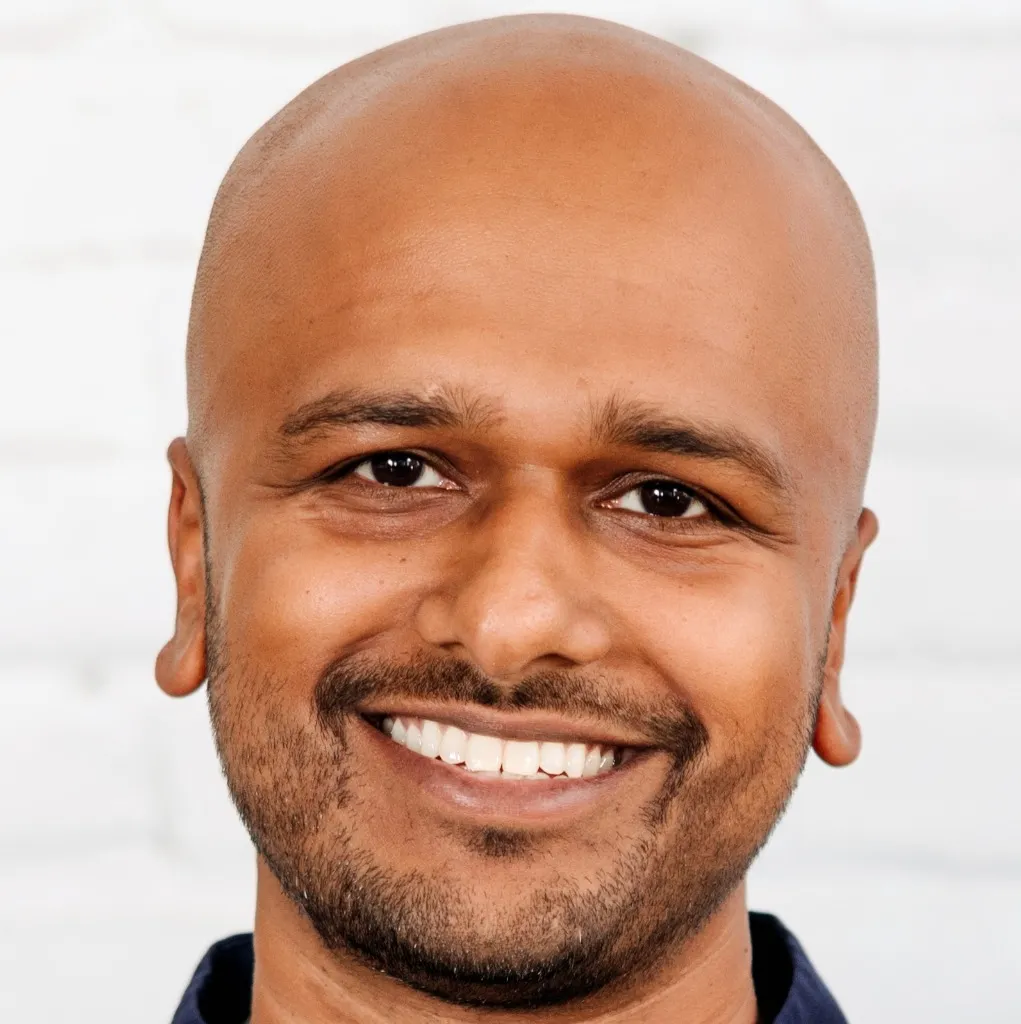
Dr. Ash
"Longevity is a game of probability. We optimize your lipids to improve your odds by 5 or 10 percent over decades. Wearing a seatbelt improves your odds of surviving a crash by about 50 percent, instantly. Skipping safety to chase the next supplement is stepping over dollars to pick up pennies."
I have cared for too many otherwise healthy people whose lives were altered by preventable events. Biology matters. Physics is undefeated. Safety is the first rule of Medicine 3.0.

Actionable Steps in Philly

Your safety is part of your longevity. Audit your "unforced error" risks this week.
  1. Phone hygiene: Set your phone to "Do Not Disturb While Driving." Today.
  2. The back-seat rule: Enforce seatbelts for everyone in your car, every time. No exceptions.
  3. Cyclist strategy: If you bike in Philly, read BicycleSafe.com. Get bright lights. Stop hugging the door zone.
  4. Condition Yellow: Next time you walk down the street, put the phone in your pocket. Look up. Notice 3 things you would have missed.
  5. Trauma kit: Keep a small kit with a tourniquet in your car. Take a "Stop the Bleed" course in Philadelphia. It is a few hours, and it can save someone's life, including your own.
At Fishtown Medicine, we care about the whole picture. We want you to live to 100, which means we need you to survive the drive home today. Book your Warm Invitation Call

Key Takeaways

  • Unintentional injury is the leading cause of death under 45. Most longevity plans ignore this entirely.
  • Distracted driving is the new drunk driving. Phone in "Do Not Disturb" while you drive.
  • Seatbelts are non-negotiable. Front and back seat. Every time.
  • You are invisible on a bike. Ride well outside the door zone, with bright lights and high visibility.
  • Stay in Condition Yellow. Relaxed, aware, head up, off the phone.

Scientific References

  1. CDC WONDER. Leading Causes of Death Reports, 1981-2022. Centers for Disease Control and Prevention. Confirms unintentional injury as the leading cause of death for ages 1 to 44.
  2. National Highway Traffic Safety Administration (NHTSA). Traffic Safety Facts. Reports on the efficacy of seatbelts and the rise in fatalities from distracted driving.
  3. BicycleSafe.com. "How to Not Get Hit by Cars." A practical guide to defensive cycling in urban environments.
  4. American College of Surgeons. Stop the Bleed Program. Public training in bleeding control techniques.
Medical Disclaimer: This resource provides clinical context for educational purposes. In the world of Precision Medicine, there is no "one size fits all", the right treatment plan must be matched to your unique lab work, physiology, and goals. Consult Dr. Ash to determine if this approach is right for you, especially if you have chronic health conditions or are taking prescription medications.

Frequently Asked Questions

Common Questions

Yes, accidental death prevention is medical advice. A primary care doctor's job is to prevent death and disability, and unintentional injury is the leading cause of death for adults under 45. Treating safety as a clinical issue is part of being the "chief medical officer" of your life, not a stretch outside the scope of medicine.
The single most effective safety habit is wearing a seatbelt every time you are in a car, in every seat. Seatbelts dramatically reduce your risk of dying in a crash, and the protection is instant, free, and complete after one click. No supplement or scan offers that level of return.
Distracted driving is compared to drunk driving because the data on reaction time, lane control, and crash risk are similar in many studies. At highway speeds, even a 5-second glance at a phone covers the length of a football field with your eyes off the road. The risk is real, even when you feel in control.
Yes, you should keep a high-quality trauma kit in your car, ideally one that includes a tourniquet, gauze, and a chest seal. Major bleeding can become fatal in minutes, well before an ambulance arrives. Taking a "Stop the Bleed" course in Philadelphia is a few hours of training that can save a life, including your own.
Yes, it is safer to ride a bike at least a few feet outside the door zone of parked cars, even if drivers behind you are annoyed. A driver opening a door without looking can throw a cyclist into traffic with no warning. Taking the lane is a small social cost that lowers a serious physical risk.
Yes, pedestrians are hit more often mid-block than at intersections in many U.S. cities, because drivers in the middle of a block are scanning for cars, not people. Crossing between parked cars also hides you from drivers' view until you are already in the lane. Walking the extra 50 feet to a corner is a real safety upgrade.
The Cooper Color Code is a simple framework for situational awareness developed by Jeff Cooper, a safety educator. Condition White means unaware. Condition Yellow means relaxed and aware. Condition Orange means a specific risk has caught your attention. Aiming for Yellow most of the time, with the phone away, lowers risk in everyday city life.
Accidental death prevention fits into Medicine 3.0 because the goal of Medicine 3.0 is to extend healthspan, the years of life lived in good function. Dying or becoming disabled in a crash, fall, or overdose ends that goal early, regardless of how good your labs look. Safety is the foundation that makes the rest of the plan possible.
Yes, you should be careful about ladders and home falls, even if you are young and fit. Falls from ladders are a surprisingly common source of serious head, spine, and limb injuries in adults under 50. Slowing down, using a spotter, or hiring a professional for risky tasks is a reasonable trade.
Overdose, especially involving fentanyl-contaminated drugs, is a major driver of accidental death in younger adults in the U.S. Even people who use occasionally and recreationally are at real risk because of how unpredictable street supply has become. Naloxone (Narcan) is now available over the counter and is worth keeping at home.

Deep-Dive Questions

Accidents are missing from most longevity plans because longevity media tends to focus on biology, not behavior. Lab markers, supplements, and scans are easier to sell than reminders to wear a seatbelt or put your phone down. The result is a polished plan that ignores the most likely cause of an early death for younger adults.
You weigh long-term risks like ApoB against short-term risks like driving by thinking about both the size and timing of the risk. ApoB and metabolic markers shape your odds over decades. A single distracted drive can end the story tonight. A balanced plan addresses both, not just the one that is more interesting to talk about.
Kinetic energy is the energy an object carries because of its motion, and it grows with the square of speed. That means a car at 60 mph carries about four times the energy of the same car at 30 mph, not twice as much. That is why small increases in speed translate into much larger forces in a crash and why even a few mph matter in city driving.
The A-pillar is the metal frame on either side of a car's windshield. When a driver turns left, that pillar can hide a pedestrian in the crosswalk for the full duration of the turn. Drivers who do not consciously move their head around the pillar can hit someone they "looked right at." This is why making eye contact with a turning driver matters so much.
The door zone risk for cyclists is real and well documented. A driver or passenger opening a door into a cyclist's path can knock them off the bike or into traffic, and these "dooring" crashes account for a meaningful share of urban cycling injuries. Riding outside the door zone, even when it puts you in the lane, is the standard recommendation from cycling safety experts.
Alcohol plays a major role in accidental injury, including car crashes, falls, drownings, and assaults. Even modest amounts can affect reaction time, balance, and judgment. Limiting alcohol on driving days, near water, or before any task that uses heavy equipment is one of the highest-yield safety changes most adults can make.
Sleep deprivation can rival alcohol for driving risk. Studies suggest that being awake for 20 to 24 hours can affect driving performance similarly to a blood alcohol level around the legal limit in many places. Treating drowsy driving with the same caution as drunk driving is reasonable, especially after night shifts or long flights.
Naloxone, often known by the brand name Narcan, fits into accidental death prevention as a fast, simple treatment that can reverse an opioid overdose long enough for emergency help to arrive. It is now available over the counter in the U.S. Keeping a kit at home, especially in households with prescription opioids or anyone who occasionally uses any non-medical drugs, is a reasonable, low-cost step.
Yes, there is a clear connection between mental health and accidental death. Untreated depression, anxiety, post-traumatic stress, and substance use disorders all raise the risk of accidents, overdose, and motor vehicle deaths. Treating mental health is part of safety planning, not separate from it.
Philadelphia's street design affects risk in specific ways. Narrow streets, mixed bike and car traffic, frequent double-parking, and aggressive driving in some neighborhoods all contribute to higher pedestrian and cyclist injury rates. Knowing the patterns on your specific routes, and choosing safer streets when possible, can lower personal risk in a real, measurable way.
"Stop the Bleed" is a national public health campaign that teaches anyone, not just medical professionals, how to control major bleeding using direct pressure, wound packing, and a tourniquet. It matters because severe bleeding can become fatal in minutes, often before an ambulance arrives. A few hours of training and a small kit can mean the difference between a survivable injury and a fatal one.
This connects to risk magnitude and immediacy by reminding us to weigh how big a risk is and how soon it can hit. Long-term contaminants in food or water are real concerns, but a distracted driver tonight is a much more immediate one. Smart risk management addresses both, with energy roughly proportional to the size and timing of the threat.
Fishtown Medicine includes safety in primary care visits because the leading causes of death for younger adults are not currently addressed by most clinical guidelines in a real way. We talk about driving habits, helmets, alcohol, sleep, and home safety the way other practices talk about cholesterol. Skipping these conversations would mean ignoring the most likely way our patients could be hurt.

Still have a question?

He answers personally. Usually within a few hours.

Related Intelligence

Healthspan vs Lifespan: Why Living Longer Is Not Enough | Philadelphia

Healthspan vs Lifespan: Why Living Longer Is Not Enough | Philadelphia

Americans live to about 78 but spend the last 12 years sick and dependent. A Philadelphia primary care practice on why healthspan is the real metric.

Read Deep Dive
Emotional Health and Longevity Philadelphia | Medicine 3.0

Emotional Health and Longevity Philadelphia | Medicine 3.0

Suicide and overdose are leading causes of death for adults under 45. How a Philadelphia primary care practice integrates emotional health into longevity care.

Read Deep Dive
ApoB vs LDL: Why Your "Normal" Cholesterol Score Might Be Misleading

ApoB vs LDL: Why Your "Normal" Cholesterol Score Might Be Misleading

A plain-English guide to ApoB vs LDL and why a normal cholesterol report can still hide real heart risk. From a Medicine 3.0 practice in Philadelphia.

Read Deep Dive

Talk it through with Dr. Ash.

If anything you read here raised a question, this is a free 20-minute Warm Invitation Call. Pick a time and we’ll work through it together.

HSA/FSA eligible
No initiation or cancellation fees
No copays

Loading scheduler...

Having trouble with the scheduler? Book directly on Dr. Ash’s calendar

FishtownFish wrapped around the rod of AsclepiusMedicine
Philadelphia Primary Care
2418 E York St, Philadelphia, PA 19125Home visits in Greater Philadelphia

Serving Fishtown · Art Museum · Bella Vista · Callowhill · Center City · Center City West · Chestnut Hill · East Kensington · Fairmount · Fitler Square · Graduate Hospital · Logan Square · Manayunk · Northern Liberties · Old City · Olde Richmond · Poplar · Port Richmond · Queen Village · Rittenhouse · Roxborough · Society Hill · Southwark

Explore by topic

Women’s Health
  • Perimenopause
  • Menopause 3.0
  • PCOS
  • Fertility
Men’s Health
  • TRT Therapy
  • TRT Safety
  • TRT vs Enclomiphene
  • Low Libido
Metabolic
  • Medical Weight Loss
  • Ozempic vs Metformin
  • Fasting Protocols
  • Visceral Fat
Cardiovascular
  • apoB & Heart Health
  • apoB vs LDL
  • Lp(a) Cholesterol
  • ED & Heart Risk
Longevity + Performance
  • Healthspan vs Lifespan
  • Biological Age
  • VO2 Max
  • Zone 2 Training
Supplements
  • Magnesium
  • Creatine
  • Omega-3
  • Foundational Stack

Content is for educational purposes only and does not constitute medical advice.

TermsPrivacyScope of PracticeClinical Independence