FishtownFish wrapped around the rod of AsclepiusMedicine
Philadelphia Primary Care
How It Works
What People Say
Patient reviews across 6 platforms
Pricing & Membership
Transparent membership pricing
Articles
Symptoms
What your body is telling you
Treatments
Protocols, prescriptions, therapies
Longevity
Medicine 3.0 strategies
Heart Health & Risk
Protect your heart & vessels
Metabolism
Insulin, blood sugar, weight
Hormones
TRT, thyroid, menopause, andropause
Performance
VO2 max, muscle, sleep, gut
Playbooks
Step-by-step frameworks
Dispensary
Dr. Ash's professional-grade supplement picks
About
Meet Dr. Ash
Your Physician
GER·O·SPAN
Our Clinical Framework
FAQ
Common Questions
Book a Free Call
Social Health Is Healthspan
Fishtown Medicine•9 min read
4.96 (124)

Social Health Is Healthspan

Ashvin Vijayakumar MD

Medically Reviewed

Ashvin Vijayakumar MD•Updated May 29, 2026
On This Page
  • What 80+ years of research actually shows
  • How the body translates "lonely" into "sick"
  • Quality over quantity
  • When social health is actually at risk
  • How we bring this into the visit
  • Guidance from the clinic
  • Actionable Steps
  • Key Takeaways
  • Common Questions
  • How much does loneliness actually shorten life?
  • Is being alone the same as being lonely?
  • How many close relationships do I actually need?
  • Does marriage make you live longer?
  • Can social media count as social connection?
  • What is the Roseto Effect?
  • Why is loneliness now called an epidemic?
  • What is the "moai" concept from Blue Zones?
  • Deep Questions
  • How does loneliness biologically increase cardiovascular risk?
  • What did the Harvard Adult Development Study really find?
  • What are the four horsemen and why do they predict relationship failure?
  • How does social network diversity affect immune function?
  • When is loneliness a symptom and when is it the cause?
  • Why is social health relevant to dementia risk?
  • What is the relationship between loneliness and sleep?
  • How does Fishtown Medicine integrate social health into care?
  • Does therapy actually move the same biomarkers as medications?
  • How does the Roseto Effect inform modern primary care?
  • What is the link between social health and chronic disease management?
  • Why is the modern epidemic of loneliness specifically a Philadelphia issue too?
  • Scientific References

Get a preventive doctor that knows you.

Consult Dr. Ash
TL;DR · 30-second take

More than 80 years of research, including the Harvard Adult Development Study, the Holt-Lunstad meta-analyses, the Roseto Effect, and Blue Zones work, points to the same conclusion: the warmth and depth of your relationships predict how long you live and how well you age, often more than cholesterol or blood pressure. Social isolation carries a mortality risk comparable to smoking about 15 cigarettes a day. We bring this into every visit because the strongest preventive lever is often the one no lab can measure.

Social Health Is Healthspan: What 80+ Years of Research Says About Relationships and Longevity

TL;DR: The longest-running study of adult life, the Harvard Adult Development Study, has followed people for more than 80 years and arrived at one consistent finding: the warmth and depth of your relationships is the strongest predictor of how healthy and how happy you end up at 80. Holt-Lunstad's meta-analyses show that lacking social connection carries a mortality risk comparable to smoking about 15 cigarettes a day. The Roseto Effect, a small Italian-American town in Pennsylvania, lived longer with half the heart-attack rate of its neighbors, despite a high-fat diet and heavy smoking, because of community cohesion. The U.S. Surgeon General called loneliness an epidemic in 2023. The clinical implication is direct: relationships belong in the chart alongside ApoB and HbA1c. The good news is that social health is one of the most modifiable levers we have.
If I could only ask one question to predict how well someone will age, I would not ask about their LDL or their bench press. I would ask who knows them and who they know. That sounds like a soft answer. It is not. It is what 80 years of evidence keeps coming back to.
This is the **R in GERO** of our [GER·O·SPAN](/about/gerospan) framework. Read the [emotional health pillar](/articles/pillars/emotional-health) for the inner-life side, and the [executive burnout](/performance/executive-burnout) piece for what happens when work eats the relationships first.

What 80+ years of research actually shows

A short tour of the studies that keep finding the same thing from different angles. The Harvard Adult Development Study has followed two cohorts of men (and, later, their families) since 1938, now spanning more than 80 years and four directors. The current director, Robert Waldinger, has summarized the central finding more simply than the data deserves: the people who were most satisfied in their relationships at age 50 were the healthiest at 80. That held after controlling for cholesterol, blood pressure, smoking, drinking, and genetic risk. Loneliness in middle age predicted physical decline more reliably than most traditional risk factors. The Holt-Lunstad meta-analyses assembled data from across hundreds of thousands of participants. The headline finding: lacking strong social connections is associated with a mortality risk comparable to smoking about 15 cigarettes a day, and larger than the risk of obesity, physical inactivity, or excessive drinking. The signal is real, the effect size is large, and it shows up across countries and decades. The Roseto Effect. In the 1960s and 70s, the small town of Roseto, Pennsylvania, about 80 miles north of Philadelphia, drew national attention. The Italian-American immigrants there had roughly half the rate of fatal heart attacks of nearby towns, despite high-fat diets, heavy smoking, and manual-labor jobs. Decades of investigation by Stewart Wolf and colleagues pointed to community structure: tight family bonds, multigenerational households, shared rituals, and low income inequality. As the community Americanized and those structures eroded, the heart-attack advantage disappeared. Blue Zones research identified geographic clusters of unusually long-lived populations. The diets vary. The exercise patterns vary. What consistently shows up is community: the moai friendship groups in Okinawa, multigenerational households in Sardinia and Ikaria, faith communities in Loma Linda, California. The U.S. Surgeon General's 2023 Advisory. Vivek Murthy formally declared loneliness an epidemic, citing roughly a 29% increased risk of heart disease and 32% increased risk of stroke in lonely adults, alongside higher risks of dementia, depression, and premature death. The point of the advisory was not novelty. The point was that we already know.

How the body translates "lonely" into "sick"

The mechanism is not mysterious. Chronic social stress and isolation appear to act through several pathways at once.
  • Sustained cortisol and sympathetic tone. Chronic loneliness keeps the stress system mildly activated for years. The cumulative effect on blood pressure, glucose regulation, and visceral fat is measurable.
  • Inflammation. Lonely adults show higher circulating inflammatory markers, including IL-6 and CRP. The same inflammation pathway drives cardiovascular events, accelerated brain aging, and metabolic disease.
  • Immune dysregulation. Cohen's classic work on social ties and the common cold showed that people with broader, more varied social networks were less likely to catch a cold after deliberate exposure to a virus. The immune system listens to the social signal.
  • Sleep disruption. Loneliness is one of the strongest predictors of poor sleep architecture and sleep fragmentation. Bad sleep then compounds the metabolic and cognitive harm.
  • Behavior. Lonely people are less likely to exercise, more likely to drink, and less likely to follow medical advice. The mechanisms above are biological. The pathways through behavior are equally real.
The takeaway is that social health is not a soft variable that sits beside the medical chart. It moves the same biomarkers we are already treating.
Fish wrapped around the rod of Asclepius

Let's get healthier

Get Dr. Ash's health checklist.

Bi-weekly clinical insights on the markers that matter most - what to track, what to ask your doctor, and what 'normal' actually means. Trusted by 1,248+ Philadelphians.

Evidence-informed clinical signal · no marketing · no spam

Quality over quantity

A common misread of this research is that we should all have larger social networks. The data is more interesting than that. Depth matters more than breadth. The Harvard study did not measure how many friends people had. It measured how much they felt they could rely on someone in a hard moment. Two or three reliable relationships outperform a hundred acquaintances on every outcome the researchers tracked. How you fight matters more than how often you fight. The Gottman research at the University of Washington can predict the likelihood of divorce in newlyweds with remarkable accuracy from just a few minutes of conflict observation. What predicts trouble is not the frequency of disagreement, it is the presence of what the Gottmans call the four horsemen: criticism, contempt, defensiveness, and stonewalling. Contempt is the most toxic of the four. Couples who can argue and repair tend to do well. Couples who slip into contempt rarely do. Spontaneous structure beats willpower. People who maintain meaningful relationships tend to have a few recurring rituals built into their week: a Sunday phone call, a regular workout partner, a weekly meal with the same friends, a walking group, a faith community. The infrastructure is doing the work, not the daily effort.

When social health is actually at risk

Fishtown Medicine

A 90-minute conversation with Dr. Ash. A written plan you can actually follow.

Book a Free 20-Min Call
Not every quiet week is loneliness. A short field guide for what counts.
  • You have no one you would call at 2 a.m. with a real problem.
  • You go more than a week or two without a meaningful, in-person conversation.
  • Most of your social contact is mediated by a screen or a transactional context (work, drive-thru, brief texts).
  • Conflict with a partner has slid into contempt: eye-rolls, sarcastic dismissal, name-calling, withdrawal as a weapon.
  • A major life change (move, retirement, divorce, loss) has thinned the network and nothing has been built to replace it.
  • Major depression, severe anxiety, or substance use is quietly shrinking the social world. Here, the order matters: treating the underlying condition often unlocks the social health, not the other way around.
If two or three of those fit, it is a clinical signal, not a personality issue.

How we bring this into the visit

Patients are surprised that this comes up at Fishtown Medicine before we open a chart. It comes up because the evidence demands it, and because it is one of the most modifiable levers we have. A short version of how we work this:
  • We ask at intake. Who do you live with, who do you rely on, who relies on you, what does your typical week of human contact actually look like? We are not collecting trivia. We are mapping a risk factor.
  • We watch the data. Sleep, HRV, resting heart rate, and weight trends often shift in the wake of a relationship change before anyone names what is happening.
  • We name the lever. When the standard medical work is in good shape but the trajectory is stuck, social health is often the missing variable. Naming it changes the plan.
  • We treat the underlying mental-health drivers when they are there. Depression, anxiety, and substance use can hollow out the social network and then keep it hollow. Treating them, with therapy, medication, or both, makes connection possible again.
  • We point to actual on-the-ground options. Philadelphia has a deep bench: walking groups along the Schuylkill, neighborhood rec centers, faith communities, dad meetups, parent groups, recovery groups, sports leagues, library programs, the Dads Coffee Health Meetup we run with the Dads with a Drink By My Side community. The barrier is rarely options. The barrier is the first step.

Guidance from the clinic
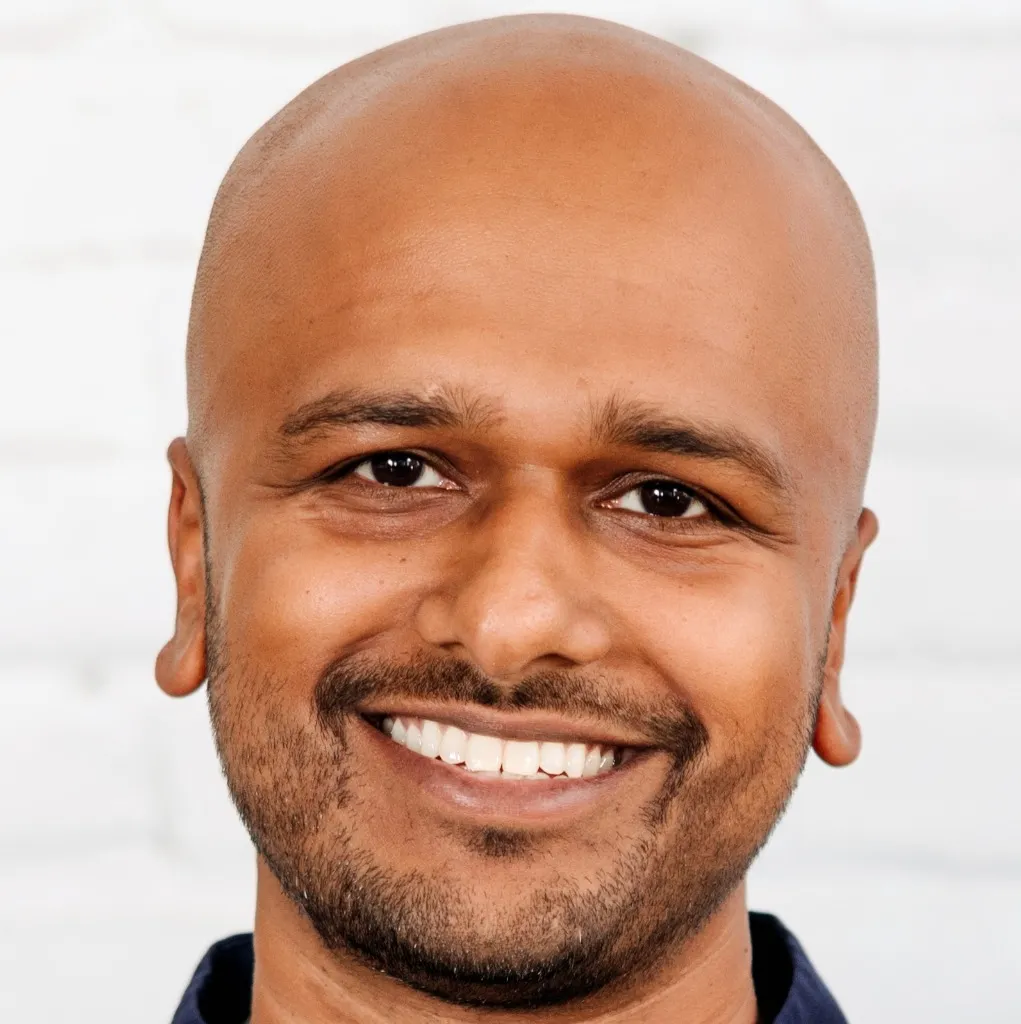
Dr. Ash
"If your labs are perfect and you are still feeling unwell, the answer is usually not another scan. It is who you talk to and who knows you. Loneliness is the single most underdiagnosed condition in primary care. We do not solve it with prescriptions, but we do treat it like the cardiovascular risk factor that it is. Two or three reliable relationships, real conflict-and-repair skills with the people you live with, and a couple of recurring rituals you cannot easily quit are more protective than most pills."

Actionable Steps

Five practical moves for your social healthspan, this month.
  1. Audit the inner circle. Write the names of the three people you would call at 2 a.m. with a real problem. If the list is short or empty, that is the signal.
  2. Build one recurring ritual. A weekly walk with one person, a standing dinner, a phone call with a sibling every Sunday. The structure does the work; willpower does not.
  3. Name the four horsemen if you see them. Criticism, contempt, defensiveness, stonewalling. With a partner, a sibling, a parent, even at work. Naming it is most of the fix.
  4. Treat the underlying mental health. If depression, anxiety, or substance use is hollowing out the network, that is what gets treated first. Therapy, medication when warranted, and lifestyle scaffolding.
  5. Find one community that meets in person. Faith, fitness, parenting, recovery, neighborhood, hobby. The data does not care which. It cares that something recurs and includes you.

Key Takeaways

  • More than 80 years of research, across multiple independent studies and methods, points to the same conclusion: relationships are a top-tier longevity factor.
  • Social isolation carries a mortality risk comparable to smoking about 15 cigarettes a day.
  • Quality of connection (depth, reliability, conflict-and-repair) matters more than the number of contacts.
  • The body translates loneliness into measurable disease through cortisol, inflammation, immune dysregulation, sleep disruption, and behavioral change.
  • Social health is among the most modifiable levers we have. Two or three reliable relationships, structured rituals, and a community that meets in person are foundational.

Scientific References

  1. Holt-Lunstad, J., et al. (2010). Social Relationships and Mortality Risk: A Meta-analytic Review. PLOS Medicine, 7(7), e1000316.
  2. Holt-Lunstad, J., et al. (2015). Loneliness and Social Isolation as Risk Factors for Mortality: A Meta-Analytic Review. Perspectives on Psychological Science, 10(2), 227-237.
  3. Waldinger, R. J., & Schulz, M. (2023). The Good Life: Lessons from the World's Longest Scientific Study of Happiness. Simon & Schuster.
  4. Egolf, B., Lasker, J., Wolf, S., & Potvin, L. (1992). The Roseto effect: a 50-year comparison of mortality rates. American Journal of Public Health, 82(8), 1089-1092.
  5. Berkman, L. F., & Syme, S. L. (1979). Social networks, host resistance, and mortality: a nine-year follow-up study of Alameda County residents. American Journal of Epidemiology, 109(2), 186-204.
  6. Cohen, S., Doyle, W. J., Skoner, D. P., Rabin, B. S., & Gwaltney, J. M. (1997). Social ties and susceptibility to the common cold. JAMA, 277(24), 1940-1944.
  7. Office of the U.S. Surgeon General. (2023). Our Epidemic of Loneliness and Isolation: The U.S. Surgeon General's Advisory on the Healing Effects of Social Connection and Community. U.S. Department of Health and Human Services.
  8. Livingston, G., et al. (2024). Dementia prevention, intervention, and care: 2024 report of the Lancet standing Commission. The Lancet, 404(10452), 572-628.
Medical Disclaimer: This resource provides clinical context for educational purposes. Social health is one lever among many; depression, anxiety, substance use, and chronic medical conditions often need direct treatment alongside relational work. Consult Dr. Ash or your own physician if loneliness, conflict, or mood are interfering with your day-to-day life, especially if you are also experiencing changes in sleep, appetite, or thoughts of self-harm.
Ashvin Vijayakumar MD (Dr. Ash)

Fishtown Medicine | Articles

2418 E York St, Philadelphia, PA 19125·(267) 360-7927·hello@fishtownmedicine.com·HSA/FSA Eligible

Book Your Warm Invitation Call

Frequently Asked Questions

Common Questions

The leading meta-analyses by Holt-Lunstad and colleagues find that lacking strong social connections is associated with a mortality risk comparable to smoking about 15 cigarettes a day, and larger than obesity or physical inactivity. The U.S. Surgeon General's 2023 advisory pegged the increased risk of heart disease at about 29 percent and stroke at about 32 percent in lonely adults.
No. Many people live alone or spend long stretches in solitude without being lonely. Loneliness is a subjective experience of meaningful disconnection. Some of the most isolated-looking people on paper are deeply connected, and some of the most surrounded-looking are very alone.
The evidence does not specify a number. The pattern is that two or three reliable relationships are more protective than a large but shallow network. The Harvard study tracked whether you have someone to call in a hard moment, not how many people are in your phone.
A stable, low-contempt marriage is associated with better health outcomes for both partners. A high-conflict, contempt-laden marriage often is not, and in some studies looks worse than divorce. The active ingredient is the quality of the relationship, not the legal status.
Sometimes, but usually not enough on its own. Active, reciprocal interactions with people you know in real life tend to support health. Passive scrolling and parasocial contact with strangers tend to make loneliness worse. The texture matters more than the platform.
The Roseto Effect is the long-studied observation that residents of Roseto, Pennsylvania, an Italian-American immigrant community about 80 miles north of Philadelphia, had roughly half the rate of fatal heart attacks of nearby towns from the 1950s through the 1960s, despite high-fat diets and heavy smoking. Researchers attributed the advantage to tight family bonds, multigenerational households, and community cohesion. As those structures eroded over later decades, the advantage faded.
The U.S. Surgeon General formally declared loneliness an epidemic in 2023. The framing reflects how widespread the experience is in modern life, the size of the associated health risks, and the recognition that loneliness drives cardiovascular disease, dementia, depression, and premature mortality at population scale.
A moai is a small, lifelong circle of friends, traditional in Okinawan culture, that meets regularly and provides social and practical support across decades. The pattern is associated with the unusually long, healthy lifespan in that population. It is one of several community-based traditions Blue Zones researchers highlight.

Deep-Dive Questions

Loneliness keeps the stress system mildly activated over years, with sustained sympathetic tone, modest cortisol elevation, and chronic low-grade inflammation. Those signals raise blood pressure, increase visceral fat, worsen glucose regulation, and accelerate vascular aging. Each is a measurable contributor to the elevated heart attack and stroke risk seen in lonely adults.
Started in 1938 and now spanning more than 80 years, the Harvard Adult Development Study followed two cohorts (originally Harvard sophomores and an inner-city Boston sample) and later their families. Across multiple directors and several books, the most durable finding is that relationship satisfaction at midlife predicted physical health and well-being at age 80 more reliably than any single biomedical variable. Robert Waldinger's *The Good Life* (2023) is the current synthesis.
The four horsemen, identified by John and Julie Gottman, are criticism, contempt, defensiveness, and stonewalling. Their presence during conflict predicts relationship dissolution more reliably than the topic or frequency of disagreement. Contempt is the most toxic, and is also the strongest single predictor of divorce in the Gottmans' research.
Cohen and colleagues found that people with more diverse social networks (a wider variety of roles like spouse, parent, friend, coworker, neighbor) were less likely to develop colds after deliberate viral exposure than those with narrower networks. The pattern held after controlling for stress, sleep, and other factors, suggesting an independent immune effect of social diversity.
Both directions are real. Depression, anxiety, substance use disorder, and chronic illness can shrink a person's social world. A shrunken social world can also drive depression and worsen chronic illness. The clinical move is to treat the underlying condition aggressively when it is present, while also building the social scaffolding in parallel.
The 2024 Lancet Commission on dementia identified social isolation as one of the leading modifiable risk factors for late-life cognitive decline. The proposed mechanisms include reduced cognitive stimulation, the inflammatory and vascular consequences of chronic stress, and the protective effect of regular interpersonal engagement on brain networks.
Loneliness is one of the strongest single predictors of fragmented, low-quality sleep across populations. Lonely adults show more frequent nighttime awakenings, lighter overall sleep architecture, and reduced restorative slow-wave sleep. Bad sleep then compounds the metabolic, cognitive, and emotional consequences, making the loop hard to break without intervention.
We ask about it at intake, watch the data (sleep, HRV, weight, mood) for early signals, and name the lever when the standard medical workup is fine but the trajectory is stuck. We treat underlying mental-health drivers aggressively. We point to specific in-person options across Philadelphia, including the Dads Coffee Health Meetup we run, neighborhood rec centers, faith communities, and walking groups along the Schuylkill.
Effective therapy, particularly for depression and anxiety, can improve sleep quality, lower inflammatory markers like CRP and IL-6, and reduce sympathetic tone. The effect sizes are modest individually but accumulate. Therapy is not a substitute for medication when medication is warranted, but it is a real biological intervention with measurable downstream effects.
The Roseto Effect makes the case that social structure is a true risk-factor modifier, not a confounder. Population-level interventions like rebuilding multigenerational housing, walkable neighborhoods, and community institutions could plausibly reduce cardiovascular events at a scale comparable to widespread statin use. At the individual level, the lesson is that intentionally building reliable, recurring connection is preventive medicine.
Patients with stronger social support are more likely to take medications, attend appointments, manage their diet, exercise, and recover well from acute illness or surgery. Social health is one of the strongest predictors of adherence and outcomes across chronic disease management. The simplest clinical intervention is often making sure someone is in the loop with the patient.
Philadelphia, like most large American cities, has seen the same erosion of neighborhood institutions (churches, civic clubs, local newspapers, walkable third places) that the broader research describes. Some neighborhoods have retained their character (Fishtown, Bella Vista, Roxborough, Manayunk, Society Hill, parts of South Philly) and still feel like a small town. Others have hollowed out. The same patterns that protected Roseto are still doing their work where they survive locally.

Still have a question?

He answers personally. Usually within a few hours.

Related Intelligence

Longevity Strategies | Fishtown Medicine

Longevity Strategies | Fishtown Medicine

Strategies to extend your healthspan and optimize lifespan in Philadelphia.

Read Deep Dive
Early Cancer Detection and Whole Body MRI Philadelphia | Medicine 3.0

Early Cancer Detection and Whole Body MRI Philadelphia | Medicine 3.0

Go beyond standard cancer screening. A Philadelphia primary care practice using liquid biopsies and whole-body MRI to find disease earlier.

Read Deep Dive
Metabolic Health

Metabolic Health

Why you feel tired at 3 PM, and how to fix it.

Read Deep Dive

Talk it through with Dr. Ash.

If anything you read here raised a question, this is a free 20-minute Warm Invitation Call. Pick a time and we’ll work through it together.

HSA/FSA eligible
No initiation or cancellation fees
No copays

Loading scheduler...

Having trouble with the scheduler? Book directly on Dr. Ash’s calendar

FishtownFish wrapped around the rod of AsclepiusMedicine
Philadelphia Primary Care
2418 E York St, Philadelphia, PA 19125Home visits in Greater PhiladelphiaPricing & membership

Serving Fishtown · Art Museum · Bella Vista · Callowhill · Center City · Center City West · Chestnut Hill · East Kensington · Fairmount · Fitler Square · Graduate Hospital · Logan Square · Manayunk · Northern Liberties · Old City · Olde Richmond · Poplar · Port Richmond · Queen Village · Rittenhouse · Roxborough · Society Hill · Southwark

Explore by topic

Women’s Health
  • Perimenopause
  • Menopause 3.0
  • PCOS
  • Fertility
Men’s Health
  • TRT Therapy
  • TRT Safety
  • TRT vs Enclomiphene
  • Low Libido
Metabolic
  • Medical Weight Loss
  • Ozempic vs Metformin
  • Fasting Protocols
  • Visceral Fat
Cardiovascular
  • apoB & Heart Health
  • apoB vs LDL
  • Lp(a) Cholesterol
  • ED & Heart Risk
Longevity + Performance
  • Healthspan vs Lifespan
  • Biological Age
  • VO2 Max
  • Zone 2 Training
Supplements
  • Magnesium
  • Creatine
  • Omega-3
  • Foundational Stack
  • Shop the Dispensary

Content is for educational purposes only and does not constitute medical advice.

TermsPrivacyScope of PracticeClinical Independence