FishtownFish wrapped around the rod of AsclepiusMedicine
Philadelphia Primary Care
How It Works
What People Say
Patient reviews across 6 platforms
Articles
Symptoms
What your body is telling you
Treatments
Protocols, prescriptions, therapies
Longevity
Medicine 3.0 strategies
Heart Health & Risk
Protect your heart & vessels
Metabolism
Insulin, blood sugar, weight
Hormones
TRT, thyroid, menopause, andropause
Performance
VO2 max, muscle, sleep, gut
Playbooks
Step-by-step frameworks
About
Meet Dr. Ash
Your Physician
GERO·SPAN
Our Clinical Framework
FAQ
Common Questions
Book a Free Call
The Four Horsemen: A Longevity Framework
Fishtown Medicine•4 min read

The Four Horsemen: A Longevity Framework

On This Page
  • What are the drivers of chronic decline?
  • Horseman 1: Atherosclerotic Disease
  • Horseman 2: Cancer
  • Horseman 3: Neurodegeneration
  • Horseman 4: Metabolic Dysfunction
  • Guidelines from the Clinic
  • How does Fishtown Medicine help you stay ahead of the Horsemen?
  • Actionable Steps for Long-Term Health
  • Common Questions
  • What are the Four Horsemen of chronic disease?
  • What is ApoB and why does Fishtown Medicine prioritize it?
  • How early should I start screening for the Horsemen?
  • How is a longevity-focused approach different from standard preventive care?
  • Can lifestyle alone outrun the Horsemen?
  • What advanced imaging supports Horseman screening?
  • How does sleep affect all Four Horsemen?
  • Does Fishtown Medicine offer a structured longevity audit?
  • Deep Questions
  • How does ApoB compare to LDL cholesterol in real-world risk prediction?
  • How does coronary CTA (Cleerly) change cardiovascular management?
  • How does insulin resistance accelerate every other Horseman?
  • How does Lp(a) factor into cardiovascular prevention?
  • How does APOE genotype affect dementia risk planning?
  • How do multi-cancer early detection (MCED) tests fit into screening?
  • How does VO2 Max predict long-term mortality?
  • How does muscle mass connect to longevity?
  • How does chronic inflammation contribute to all Four Horsemen?
  • How do you handle the "healthy on paper" patient with hidden risk?
  • How do hormones interact with Horseman risk?
  • How do you sequence interventions when several Horsemen are active?
  • Scientific References

Get a preventive doctor that knows you.

Consult Dr. Ash
TL;DR · 30-second take

The Four Horsemen are the four chronic conditions responsible for most non-accidental deaths: cardiovascular disease, cancer, neurodegeneration, and metabolic dysfunction. Fishtown Medicine tracks early biomarkers of each (ApoB, advanced screening, brain health markers, fasting insulin) to intervene decades before crisis.

The Four Horsemen: A Longevity Framework

Most chronic illnesses that rob us of healthspan are driven by four major systems: cardiovascular disease, cancer, neurodegeneration, and metabolic disease. At Fishtown Medicine, we call them the Four Horsemen. We do not wait for them to arrive; we track the subtle signals they send decades before they become a crisis.

What are the drivers of chronic decline?

Total longevity is not just about living longer; it is about maximizing healthspan, the years you stay functional, independent, and clear-headed. To do that, we need to be proactive about the four conditions responsible for over 80% of non-accidental deaths in the developed world.

Horseman 1: Atherosclerotic Disease

Atherosclerotic disease includes heart attacks, strokes, and vascular dementia. It is a game of cumulative exposure. We do not just look at LDL; we track ApoB and Advanced Heart Imaging to see the actual burden of plaque in your arteries.

Horseman 2: Cancer

Early detection is the highest-leverage way to defeat cancer. We move beyond standard screening (mammograms, colonoscopies) to include Precision Options and detailed imaging based on your genetic risk profile.

Horseman 3: Neurodegeneration

Alzheimer's, Parkinson's, and other dementias often begin 20 to 30 years before memory loss starts. We monitor Brain Health Markers and prioritize sleep, exercise, and metabolic stability to protect your cognitive engine.

Horseman 4: Metabolic Dysfunction

Insulin resistance, Type 2 diabetes, and obesity are the base layer that accelerates the other three Horsemen. By proactively managing Metabolic Health, we lower the risk of every chronic disease that follows.

Guidelines from the Clinic
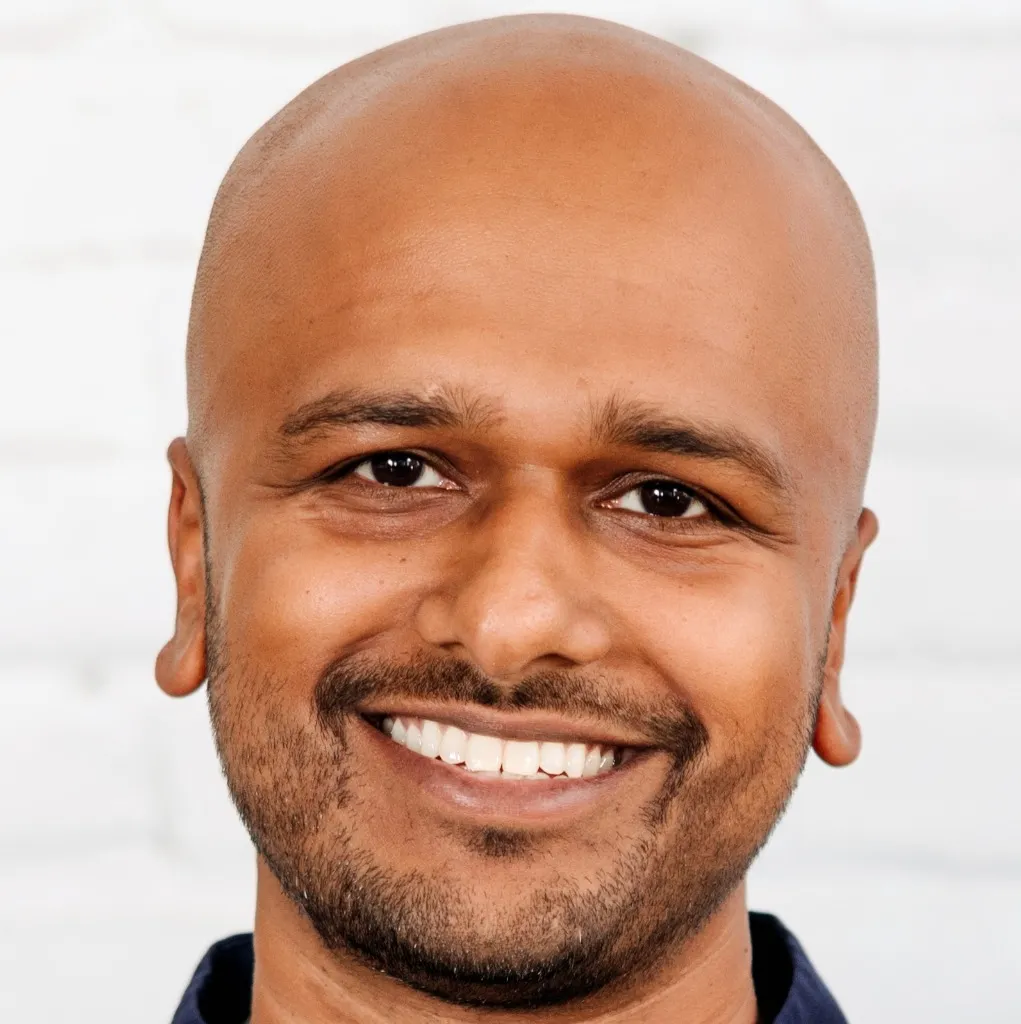
Dr. Ash
"The mistake most people make is thinking these diseases are an inevitable part of aging. They aren't. They are the result of decades of invisible physiological changes. My goal is to find those changes while the window for impact is still wide open. We don't just practice medicine; we practice strategic defense."

How does Fishtown Medicine help you stay ahead of the Horsemen?

We do not wait for a diagnosis. We track trends in your Advanced Labs and Wearable Data to find subtle shifts in your biology.
  • Prevention Lens: We review your data through a longevity lens, not just a standard reference range lens.
  • Family History Audit: We map your genetic risks to prioritize which Horseman we need to defend against most actively.
  • Targeted Action: We build a Personalized Plan that addresses your specific vulnerabilities.

Actionable Steps for Long-Term Health

Start your strategic defense today.
  1. Get Your ApoB Checked: ApoB is the most accurate marker for Horseman 1.
  2. Audit Your Sleep: Sleep is the primary clearing mechanism for Horseman 3.
  3. Monitor Your Glucose: Use a CGM or fasting insulin to check your progress against Horseman 4.

Scientific References

  1. Murray CJL, et al. "Global burden of 87 risk factors in 204 countries and territories, 1990-2019." The Lancet. 2020.
  2. Sniderman AD, et al. "Apolipoprotein B Particles and Cardiovascular Disease: A Narrative Review." JAMA Cardiology. 2019.
  3. Livingston G, et al. "Dementia prevention, intervention, and care: 2020 report of the Lancet Commission." The Lancet. 2020.
  4. Tsao CW, et al. "Heart Disease and Stroke Statistics-2023 Update." Circulation. 2023.
Medical Disclaimer: This resource provides clinical context for educational purposes. In the world of Precision Medicine, there is no "one size fits all"; the right longevity plan must be matched to your unique lab work, physiology, and goals. Consult Dr. Ash to determine if this approach is right for you, especially if you have chronic health conditions or are taking prescription medications.

Frequently Asked Questions

Common Questions

The Four Horsemen of chronic disease are cardiovascular disease, cancer, neurodegeneration, and metabolic dysfunction. Together they account for the vast majority of non-accidental deaths in the developed world.
ApoB is a protein on every atherogenic lipid particle, including LDL, VLDL, and Lp(a). Fishtown Medicine prioritizes ApoB because it counts the actual particles that drive atherosclerosis, which makes it a more accurate cardiovascular risk marker than LDL cholesterol alone.
You should start screening for the Horsemen in your 20s and 30s for metabolic and cardiovascular markers, and in your 30s and 40s for early cancer and brain health markers. Earlier is better when family history or symptoms suggest higher risk.
A longevity-focused approach is different from standard preventive care because it uses optimized lab targets, advanced imaging, and earlier intervention. Standard preventive care often waits for diagnosis thresholds, while longevity care intervenes years earlier to prevent the diagnosis altogether.
Lifestyle is the single most powerful tool against the Horsemen, but it is not always enough on its own. Genetics, life stage, and existing biology sometimes require medication, advanced screening, or specific therapies alongside lifestyle changes.
Advanced imaging that supports Horseman screening includes coronary CT angiography (Cleerly), carotid ultrasound, full-body MRI, and multi-cancer early detection blood tests. The right combination depends on your age, family history, and risk markers.
Sleep affects all Four Horsemen because it regulates metabolic flexibility, cardiovascular load, immune surveillance against cancer, and brain glymphatic clearance. Chronic poor sleep accelerates each one.
Yes, Fishtown Medicine offers a structured longevity audit as part of the initial diagnostic evaluation. The audit maps your individual risk across all Four Horsemen and turns it into a personalized prevention plan.

Deep-Dive Questions

ApoB compares favorably to LDL cholesterol in real-world risk prediction because some patients have normal LDL but elevated ApoB particle counts, especially those with metabolic dysfunction. Tracking ApoB catches risk that LDL alone misses.
Coronary CTA (Cleerly) changes cardiovascular management by revealing actual plaque type and burden rather than estimating risk from labs alone. The data often shifts decisions about statin intensity, blood pressure targets, and aspirin use.
Insulin resistance accelerates every other Horseman by increasing inflammation, vascular dysfunction, abnormal lipid particle production, cancer-promoting growth signals, and brain glucose dysregulation. Stabilizing insulin sensitivity reduces risk across the board.
Lp(a) is a genetically determined particle that raises cardiovascular risk independently of LDL. Knowing your Lp(a) is essential because it changes the intensity of prevention even when other lipids look fine.
APOE genotype affects dementia risk planning because APOE4 carriers face higher Alzheimer's risk and may benefit from earlier and more aggressive interventions across sleep, exercise, lipids, and metabolic health. APOE2 carriers face lower risk.
Multi-cancer early detection (MCED) tests like Grail are a complement, not a replacement, for standard screening. They can catch some cancers that have no traditional screening test, but they have false positives and false negatives that require careful interpretation.
VO2 Max predicts long-term mortality because cardiorespiratory fitness is one of the strongest predictors of all-cause death. Improving VO2 Max from low to average reduces mortality dramatically, with continued gains as fitness rises.
Muscle mass connects to longevity by supporting glucose disposal, fall prevention, metabolic flexibility, and recovery from illness or surgery. Higher muscle mass through midlife is associated with longer healthspan.
Chronic inflammation contributes to all Four Horsemen by accelerating atherosclerosis, supporting tumor growth, driving neurodegenerative processes, and worsening insulin resistance. Inflammatory markers like hs-CRP help quantify the load.
We handle the "healthy on paper" patient with hidden risk by adding ApoB, Lp(a), fasting insulin, hs-CRP, advanced imaging, and family history mapping. Many patients with normal standard labs still carry actionable hidden risk.
Hormones interact with Horseman risk through estrogen's protective effects on cardiovascular and bone health, testosterone's role in muscle and metabolism, and cortisol's role in inflammation and glucose. Optimizing hormones at appropriate life stages can lower long-term risk.
We sequence interventions when several Horsemen are active by addressing the highest-leverage system first. Often that is metabolic health, since fixing insulin sensitivity unlocks improvements across cardiovascular, brain, and cancer risk pathways.

---

*Dr. Ash is a board-certified internal medicine physician specializing in preventive medicine and healthspan optimization at Fishtown Medicine in Philadelphia.*

{{TRUST_BLOCK}}

Still have a question?

He answers personally. Usually within a few hours.

Related Intelligence

Longevity Strategies | Fishtown Medicine

Longevity Strategies | Fishtown Medicine

Strategies to extend your healthspan and optimize lifespan in Philadelphia.

Read Deep Dive
Metabolic Health

Metabolic Health

Why you feel tired at 3 PM, and how to fix it.

Read Deep Dive
The Onboarding Packet: Practice Guidelines

The Onboarding Packet: Practice Guidelines

Essential guidelines for new members on communication, practice constraints, and clinical independence.

Read Deep Dive

Talk it through with Dr. Ash.

If anything you read here raised a question, this is a free 20-minute Warm Invitation Call. Pick a time and we’ll work through it together.

HSA/FSA eligible
No initiation or cancellation fees
No copays

Loading scheduler...

Having trouble with the scheduler? Book directly on Dr. Ash’s calendar

FishtownFish wrapped around the rod of AsclepiusMedicine
Philadelphia Primary Care
2418 E York St, Philadelphia, PA 19125Home visits in Greater Philadelphia

Serving Fishtown · Art Museum · Bella Vista · Callowhill · Center City · Center City West · Chestnut Hill · East Kensington · Fairmount · Fitler Square · Graduate Hospital · Logan Square · Manayunk · Northern Liberties · Old City · Olde Richmond · Poplar · Port Richmond · Queen Village · Rittenhouse · Roxborough · Society Hill · Southwark

Explore by topic

Women’s Health
  • Perimenopause
  • Menopause 3.0
  • PCOS
  • Fertility
Men’s Health
  • TRT Therapy
  • TRT Safety
  • TRT vs Enclomiphene
  • Low Libido
Metabolic
  • Medical Weight Loss
  • Ozempic vs Metformin
  • Fasting Protocols
  • Visceral Fat
Cardiovascular
  • apoB & Heart Health
  • apoB vs LDL
  • Lp(a) Cholesterol
  • ED & Heart Risk
Longevity + Performance
  • Healthspan vs Lifespan
  • Biological Age
  • VO2 Max
  • Zone 2 Training
Supplements
  • Magnesium
  • Creatine
  • Omega-3
  • Foundational Stack

Content is for educational purposes only and does not constitute medical advice.

TermsPrivacyScope of PracticeClinical Independence