FishtownFish wrapped around the rod of AsclepiusMedicine
Philadelphia Primary Care
Articles
Digital Health Literacy
Cut through health misinformation
Symptoms
What your body is telling you
Treatments
Protocols, prescriptions, therapies
Longevity
Medicine 3.0 strategies
Heart Health & Risk
Protect your heart & vessels
Metabolism
Insulin, blood sugar, weight
Hormones
TRT, thyroid, menopause, andropause
Performance
VO2 max, muscle, sleep, gut
Playbooks
Step-by-step frameworks
About
Meet Dr. Ash
Your Physician
GER·O·SPAN
Our Clinical Framework
What People Say
124 patient reviews across 6 platforms
Pricing & Membership
Transparent membership pricing
FAQ
Common Questions
Tell Dr. Ash
Muscle Is the Organ of Longevity
Fishtown Medicine•6 min read
4.96 (124)

Muscle Is the Organ of Longevity

Ashvin Vijayakumar MD

Medically Reviewed

Ashvin Vijayakumar MD•Updated July 18, 2026
On This Page
  • Why is muscle called an organ of longevity?
  • What is sarcopenia, and when does muscle loss start?
  • Can you build muscle at any age?
  • How much protein and training do you need?
  • How Fishtown Medicine builds strength into a longevity plan
  • Guidance from the Clinic
  • Common Questions
  • Why is muscle important for longevity?
  • At what age does muscle loss begin?
  • Can you build muscle in your 60s, 70s, or beyond?
  • How much protein do I need to preserve muscle?
  • Deep Questions
  • How does muscle protect against diabetes and fatty liver?
  • What does it mean that muscle is an endocrine organ?
  • Why does strength predict survival even beyond muscle size?
  • ✦Key Takeaways
  • Related at Fishtown Medicine
  • Scientific References

Get a preventive doctor that knows you.

Consult Dr. Ash
TL;DR30-second take

Muscle is increasingly understood as an organ of longevity: muscle mass and strength independently predict lower all-cause mortality, better metabolic health, and preserved independence with age. Muscle is lost at about 3 to 8% per decade after 30 and faster after 60, but resistance training rebuilds it at any age, even into the 90s. Fishtown Medicine measures muscle and strength, sets a protein and training target, and treats muscle as the foundation of a longevity plan.

TL;DR: Of everything you can measure and change to live longer and better, muscle may be the most underrated. Muscle mass and strength independently predict lower all-cause mortality, better blood sugar, and the ability to stay independent into old age. Muscle is lost at roughly 3 to 8% per decade starting in your 30s and faster after 60, but that decline is not fixed. Resistance training rebuilds strength at any age, shown even in people in their 90s. At Fishtown Medicine we measure it, set a protein and training target, and treat muscle as the foundation of a longevity plan rather than an afterthought.

If your health plan is built mostly around avoiding things, cholesterol, blood sugar, blood pressure, this page is about something to build. Muscle is more than how you move; it is metabolically active tissue that steadies blood sugar, supports your bones, and tracks closely with how long and how well you live. The loss that comes with age, called sarcopenia, is one of the quieter drivers of decline, and it is also one of the most reversible. Here is why muscle deserves a place at the center of prevention, and how we build it into your plan.

Why is muscle called an organ of longevity?

Muscle is called an organ of longevity because muscle mass and strength predict survival and health independently of other factors, and because muscle does far more than move you. Higher muscle mass in older adults is associated with lower mortality, and grip strength, a simple proxy for whole-body strength, is one of the stronger predictors of death from any cause in large international studies.13 People with more strength and muscle live longer, fall less, recover better from illness and surgery, and hold onto their independence for more years.

The reason runs deeper than mobility. Skeletal muscle is the body's largest site for clearing glucose from the blood, so more muscle means better insulin sensitivity and a lower risk of type 2 diabetes and fatty liver. Muscle also acts as an endocrine organ, releasing signaling molecules that influence metabolism, inflammation, and the brain.6 It is also a reserve: in serious illness, the body draws on muscle protein, so the person who arrives with more of it has more to spend.5 Muscle protects you, powers you, and banks a reserve you can draw on, all at once.

What is sarcopenia, and when does muscle loss start?

Sarcopenia is the age-related loss of muscle mass and strength, and it starts earlier than most people expect. Muscle mass begins declining in the 30s and 40s, at roughly 3 to 8% per decade, and the loss of strength runs faster still and accelerates after 60. Left unaddressed, it slips from a cosmetic concern to a functional one, until everyday tasks, rising from a chair, carrying groceries, catching yourself in a stumble, become harder.

The stakes climb with age. Weakness and low muscle raise the risk of falls and fractures, which are among the events that end independence and shorten life in older adults. This is the case for starting early. Building a larger, stronger base in your 40s and 50s is what pays for the strength you will need in your 70s and 80s, the decades of life where staying strong is the difference between thriving and declining.

Can you build muscle at any age?

Yes. The ability to build muscle in response to resistance training is preserved into old age, and some of the most striking evidence comes from the oldest and frailest people. In a landmark study, nursing-home residents with an average age in their late 80s and 90s did high-intensity strength training and made large gains in muscle strength and size, along with better mobility.2 If frail nonagenarians can rebuild strength, the notion that it is ever too late does not hold up.

What this means in practice is hopeful. Wherever you are starting, the tissue responds to the right stimulus. The gains come faster earlier in life, but they come at every age, and the functional payoff, being able to stand, climb, carry, and steady yourself, matters more with each passing year. The training does not have to be extreme. It has to be progressive, consistent, and hard enough to challenge the muscle.

How much protein and training do you need?

Building and holding muscle rests on two levers: enough resistance training to stimulate the muscle, and enough protein to build it. The general targets are attainable for most people.

  • Resistance training 2 to 4 times a week, working the major muscle groups through a full range of motion, with enough load that the last few repetitions are hard. Progressive overload, gradually increasing the challenge, is what drives adaptation. Machines, free weights, and bodyweight all work when the effort is there.
  • Protein of about 1.2 to 1.6 grams per kilogram of body weight per day for active and older adults, higher than the old RDA of 0.8, because older muscle responds less efficiently and needs more to build,4 with protein up to around 1.6 g/kg supporting the muscle gains from resistance training.7 Spreading protein across meals, with a good dose at each, helps more than loading it all at dinner.
  • Recovery, sleep, and enough total calories to support the work, since muscle is built during recovery and undercut by chronic underfueling and poor sleep.

You do not need a perfect program. You need one you will keep, applied with enough load and enough protein to matter, tracked so it progresses over time.

Performance Medicine

Stop guessing at recovery and energy. Get the data behind your performance.

Book Your Performance Review

How Fishtown Medicine builds strength into a longevity plan

We treat muscle as a measurable, trainable pillar of your long-term health, on the same footing as your lipids and your blood sugar. That starts with knowing where you are: body composition through a DEXA scan to see muscle and visceral fat, simple strength measures like grip, and a look at protein intake and training history. Numbers you can see are numbers you can move.

From there the plan sets a protein target and a training approach that fits your life and your starting point, with follow-up so it advances rather than stalls. Because muscle ties into everything, insulin sensitivity, bone health, metabolic health, we read it alongside the rest of your picture rather than on its own. When a case calls for hands-on rehab or a procedure, we refer to highly qualified specialists who are in network for you, physical therapy and orthopedics among them, and for complex cases we compare notes across a network of specialists so you get the right guidance folded into your plan. Whether you are in Fishtown or Rittenhouse, or coming across the bridge from Cherry Hill or Moorestown, the aim is to build the strength now that buys you good years later.

Guidance from the Clinic
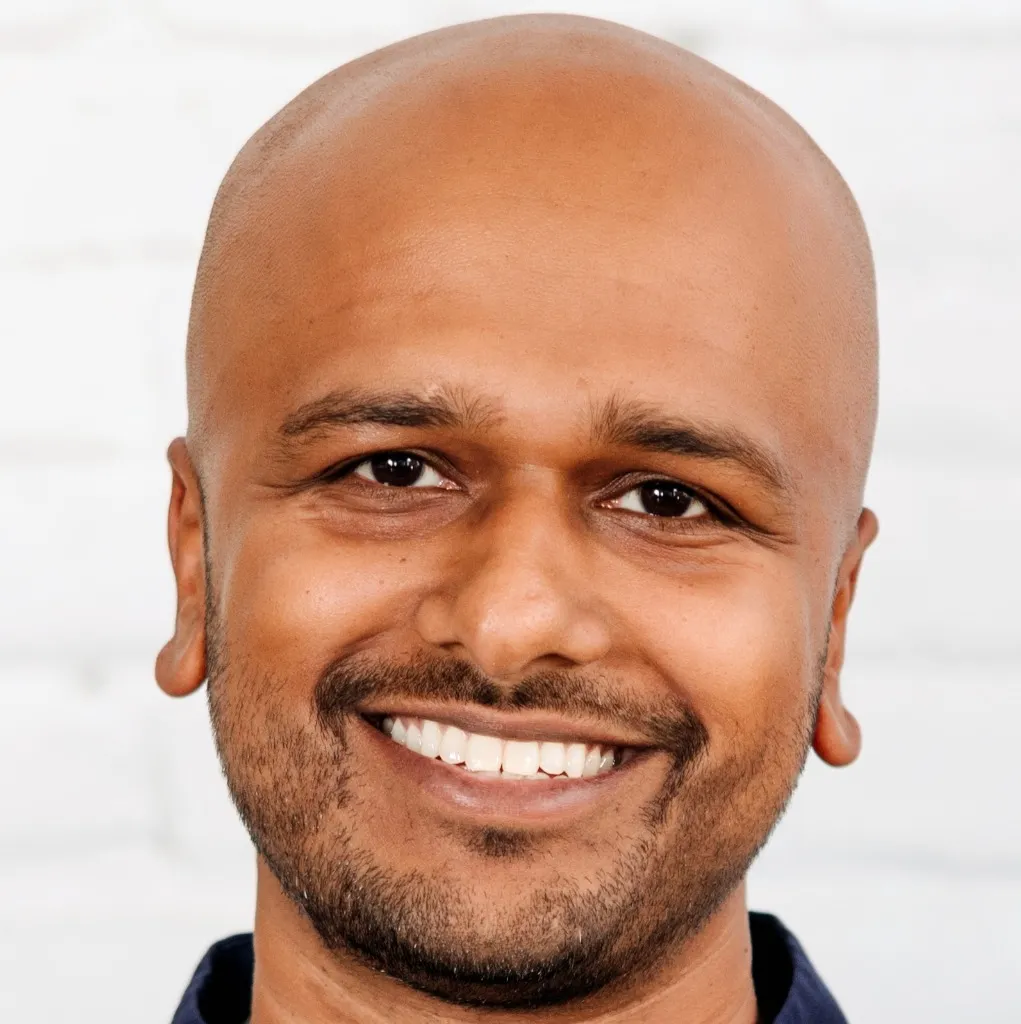
Dr. Ash
"I ask patients to picture themselves at 85 and work backward. Can they get up off the floor without help? Carry a grandchild? Catch themselves when they trip? The strength that makes those things possible is not built at 84. It is built now, in your 40s and 50s, by treating muscle as something worth training on purpose. Of all the things I help people work on, this is the one whose payoff compounds the most over a lifetime."
✦

Key Takeaways

  1. Muscle mass and strength independently predict lower all-cause mortality, better metabolic health, and preserved independence with age.
  2. Muscle is the body's largest site for clearing glucose, so building it protects against type 2 diabetes and fatty liver.
  3. Sarcopenia starts in the 30s and 40s - roughly 3 to 8% muscle loss per decade, faster after 60 - but the decline is reversible.
  4. You can build muscle at any age, with research showing large gains even in frail people in their 80s and 90s.
  5. The levers are simple: progressive resistance training 2 to 4 times a week and about 1.2 to 1.6 g of protein per kg of body weight per day.
  6. Fishtown Medicine measures muscle and strength and builds them into a longevity plan in Philadelphia and South Jersey.

Related at Fishtown Medicine

  • Grip Strength: A Longevity Biomarker - the simple test that predicts so much
  • DEXA Scan in Philadelphia - measuring muscle and visceral fat
  • Metabolic Health and Insulin Resistance - why muscle steadies blood sugar
  • Type 2 Diabetes Reversal - muscle as part of the reversal plan
  • VO2 Max Testing in Philadelphia - the cardio side of the longevity picture
  • Urolithin A: The Mitochondrial Cleanup Molecule - a mitochondrial add-on studied for muscle endurance

Scientific References

  1. Leong DP, Teo KK, Rangarajan S, et al. "Prognostic value of grip strength: findings from the Prospective Urban Rural Epidemiology (PURE) study." Lancet. 2015;386(9990):266-273.
  2. Fiatarone MA, Marks EC, Ryan ND, et al. "High-intensity strength training in nonagenarians. Effects on skeletal muscle." JAMA. 1990;263(22):3029-3034.
  3. Srikanthan P, Karlamangla AS. "Muscle mass index as a predictor of longevity in older adults." American Journal of Medicine. 2014;127(6):547-553.
  4. Bauer J, Biolo G, Cederholm T, et al. "Evidence-based recommendations for optimal dietary protein intake in older people: a position paper from the PROT-AGE Study Group." Journal of the American Medical Directors Association. 2013;14(8):542-559.
  5. Wolfe RR. "The underappreciated role of muscle in health and disease." American Journal of Clinical Nutrition. 2006;84(3):475-482.
  6. Pedersen BK, Febbraio MA. "Muscles, exercise and obesity: skeletal muscle as a secretory organ." Nature Reviews Endocrinology. 2012;8(8):457-465.
  7. Morton RW, Murphy KT, McKellar SR, et al. "A systematic review, meta-analysis and meta-regression of the effect of protein supplementation on resistance training-induced gains in muscle mass and strength in healthy adults." British Journal of Sports Medicine. 2018;52(6):376-384.
Medical Disclaimer: This resource provides clinical context for educational purposes and is not medical advice. Talk with Dr. Ash or your own physician before starting a new exercise program, particularly if you have heart disease, joint problems, or other health conditions. In the world of Precision Medicine, there is no "one size fits all", the right plan must be matched to your unique history and goals.
Ashvin Vijayakumar MD (Dr. Ash)

Fishtown Medicine | Performance

2418 E York St, Philadelphia, PA 19125·(267) 360-7927·hello@fishtownmedicine.com·HSA/FSA Eligible

Start your intake

Frequently Asked Questions

Common Questions

Muscle is important for longevity because muscle mass and strength independently predict lower death rates, better metabolic health, and preserved independence with age. Muscle is the body's largest site for clearing glucose, so it protects against type 2 diabetes and fatty liver, and grip strength is one of the stronger predictors of all-cause mortality in large studies. It also acts as a reserve the body draws on during serious illness, so having more of it improves how you weather setbacks.
Muscle mass begins declining in the 30s and 40s, at roughly 3 to 8% per decade, with strength declining faster and accelerating after 60. Because the loss is gradual and painless, it often goes unnoticed until it shows up as difficulty with everyday tasks. This is why building a larger, stronger base earlier in life matters, since it is what funds the strength and independence you will need decades later.
Yes. The muscle's ability to respond to resistance training is preserved into old age, with research showing large strength and size gains even in frail people in their 80s and 90s. Gains come more slowly than in youth, but they come at every age, and the functional payoff grows more valuable over time. It is rarely too late to start, and starting is what matters most.
For most adults, particularly those over 50, about 1.2 to 1.6 grams of protein per kilogram of body weight per day supports muscle better than the older RDA of 0.8 grams, because aging muscle uses protein less efficiently. Spreading it across meals, with a good dose at each, helps more than concentrating it in one meal. Protein works alongside resistance training; neither does the full job without the other.

Deep-Dive Questions

Muscle protects against diabetes and fatty liver because skeletal muscle is the largest site for disposing of glucose from the blood. After a meal, healthy muscle pulls in a large share of the circulating sugar and stores it as glycogen, which keeps blood glucose steady and limits the excess sugar that the liver would otherwise convert into fat. More muscle, and more insulin-sensitive muscle, means a greater capacity to handle carbohydrate without the high insulin that drives fat storage and metabolic strain. Resistance training improves this glucose handling directly, apart from any weight change, which is why building muscle is one of the most effective ways to protect metabolic health as you age.
Muscle being an endocrine organ means that working muscle releases signaling molecules, called myokines, that travel through the body and influence other systems.<sup>6</sup> These signals help regulate metabolism, dampen chronic inflammation, and communicate with the brain, bones, and fat tissue, which is part of why physical strength tracks with benefits that reach well beyond the muscle itself, including mood and cognition. It reframes exercise from something that only burns calories into something that changes the body's internal signaling, which helps explain why strength and activity influence so many outcomes at once.
Strength predicts survival beyond muscle size because strength reflects the quality and neurological function of muscle, beyond its bulk, and it captures the integrated health of the nervous system, the heart, and the whole person. Grip strength, a quick and cheap measure, outperforms many complex tests as a predictor of death because a weak grip signals frailty, low reserve, and often underlying illness. Strength also maps directly onto the functions that keep people alive and independent, rising, walking, and catching a fall, so losing it carries immediate practical stakes. This is why measuring and training strength, rather than chasing size alone, is the more meaningful target for longevity.

Ready when you are

Start your intake

Dr. Ash reads every intake himself, and answers questions personally - usually within a few hours.

Related Intelligence

Performance Physical Philadelphia: 4 Tests That Predict How You Age

Performance Physical Philadelphia: 4 Tests That Predict How You Age

A performance physical measures how well you are aging: VO2 max, grip strength, mobility, and body composition - the 4 tests that predict healthspan.

Read Deep Dive
Healthspan vs Lifespan: Why Living Longer Is Not Enough | Philadelphia

Healthspan vs Lifespan: Why Living Longer Is Not Enough | Philadelphia

Americans live to about 78 but spend the last 12 years sick and dependent. A Philadelphia primary care practice on why healthspan is the better metric.

Read Deep Dive
VO2 Max Testing and DEXA Scan Philadelphia | Longevity Medicine 3.0

VO2 Max Testing and DEXA Scan Philadelphia | Longevity Medicine 3.0

Cardiorespiratory fitness and muscle mass are two of the strongest predictors of how long and how well you live. A Medicine 3.0 approach in Philadelphia.

Read Deep Dive

New patients

Talk it through with Dr. Ash.

Share where your weight and energy are now, what you have tried, and what you want the next year to look like. Dr. Ash reads every intake personally.

HSA/FSA eligible
No initiation or cancellation fees
No copays
Tell Dr. Ash what’s going on →
FishtownFish wrapped around the rod of AsclepiusMedicine
Philadelphia Primary Care
2418 E York St, Philadelphia, PA 19125Primary care in PhiladelphiaHome visits in Greater PhiladelphiaPricing & MembershipGER·O·SPAN: our clinical frameworkDigital Health Literacy

Serving Fishtown · Northern Liberties · East Kensington · Olde Richmond · Port Richmond · Old City · Callowhill · Poplar · Center City · Center City West · Art Museum · Bella Vista · Chestnut Hill · Fairmount · Fitler Square · Graduate Hospital · Logan Square · Manayunk · Queen Village · Rittenhouse · Roxborough · Society Hill · Southwark · Bryn Mawr, PA · Gladwyne, PA · Villanova, PA · Wayne, PA · Cherry Hill, NJ · Haddonfield, NJ · Medford, NJ · Moorestown, NJ · Voorhees, NJ

Explore by topic

Women’s Health
  • Perimenopause
  • Menopause 3.0
  • PCOS
  • Fertility
Men’s Health
  • Testosterone (TRT)
  • Sleep Apnea & Low T
  • Andropause
  • Low Libido
Metabolic
  • Medical Weight Loss
  • Ozempic vs Metformin
  • Fasting Protocols
  • Visceral Fat
Cardiovascular
  • apoB & Heart Health
  • apoB vs LDL
  • Lp(a) Cholesterol
  • ED & Heart Risk
Longevity + Performance
  • Healthspan vs Lifespan
  • Biological Age
  • VO2 Max
  • Zone 2 Training
Supplements
  • Magnesium
  • Creatine
  • Omega-3
  • Foundational Stack
  • Supplement Guides
Care in Philadelphia +
Direct Primary Care in Philadelphia, PAConcierge Medicine in Philadelphia, PAConcierge vs DPC in Philadelphia, PALongevity Medicine in Philadelphia, PAPreventive Care in Philadelphia, PAExecutive Physical in Philadelphia, PAAnnual Physical in Philadelphia, PAHealthspan Optimization in Philadelphia, PAFunctional Medicine in Philadelphia, PASame-Day Sick Visits in Philadelphia, PATestosterone Replacement Therapy in Philadelphia, PAPerimenopause Care in Philadelphia, PAMenopause Care in Philadelphia, PAThyroid Treatment in Philadelphia, PAPCOS Care in Philadelphia, PAGLP-1 Weight Loss in Philadelphia, PAMetabolic Health in Philadelphia, PAHormone Optimization in Philadelphia, PAAdvanced Lipid Testing in Philadelphia, PAVO2 Max Testing in Philadelphia, PADEXA Scan in Philadelphia, PACGM in Philadelphia, PALong COVID Care in Philadelphia, PAChronic Fatigue Treatment in Philadelphia, PAPOTS Treatment in Philadelphia, PAMCAS Treatment in Philadelphia, PALyme Disease Care in Philadelphia, PABrain Fog Treatment in Philadelphia, PASleep Disorders Treatment in Philadelphia, PAStrep Throat Treatment in Philadelphia, PAUTI Treatment in Philadelphia, PASinus Infection Treatment in Philadelphia, PASTI Testing in Philadelphia, PATravel Medicine in Philadelphia, PAPre-Op Clearance in Philadelphia, PASports Club Medicine in Philadelphia, PA

Made it this far? You’re already most of the way there. let’s get started → Dr. Ash reads every word personally.

Content is for educational purposes only and does not constitute medical advice.

TermsPrivacyScope of PracticeClinical Independence