FishtownFish wrapped around the rod of AsclepiusMedicine
Philadelphia Primary Care
How It Works
What People Say
Patient reviews across 6 platforms
Articles
Symptoms
What your body is telling you
Treatments
Protocols, prescriptions, therapies
Longevity
Medicine 3.0 strategies
Heart Health & Risk
Protect your heart & vessels
Metabolism
Insulin, blood sugar, weight
Hormones
TRT, thyroid, menopause, andropause
Performance
VO2 max, muscle, sleep, gut
Playbooks
Step-by-step frameworks
About
Meet Dr. Ash
Your Physician
GERO·SPAN
Our Clinical Framework
FAQ
Common Questions
Book a Free Call
Building Your Health History: How to Share Previous Records
Fishtown Medicine•5 min read

Building Your Health History: How to Share Previous Records

Ensure continuity of care. Securely share your previous medical records, labs, and imaging results for a complete assessment.

On This Page
  • Why does your medical history matter?
  • How we read your old records: the lens we use
  • How do I securely share my medical records?
  • 1. The Mobile Scan
  • 2. Patient Portal Exports
  • 3. Record Release Requests
  • Which records are most important?
  • What if I don't have old records?
  • Guidelines from the Clinic
  • How Fishtown Medicine approaches data integration
  • Actionable Steps for Philly
  • Common Questions
  • How do I share my medical records with Fishtown Medicine?
  • Do I have to share every record I have?
  • Is my health data safe inside the Ultralight app?
  • Do you need my actual X-ray or MRI images?
  • How far back should I go when sharing records?
  • What if my previous doctor is no longer practicing?
  • How long does it take to get records from Penn or Jefferson?
  • Can I share records from outside the United States?
  • Deep Questions
  • How do you interpret old labs that look "normal" today?
  • How does historical lab data inform cardiovascular risk?
  • How do you handle conflicting information from different specialists?
  • How does sharing pediatric or adolescent records help adult care?
  • How do you incorporate hospital discharge summaries?
  • Can imaging from years ago still be useful?
  • How do you protect privacy when records cross state lines?
  • How do you handle records related to mental health or substance use?
  • What if I do not want certain records shared?
  • How does record sharing speed up second opinions?
  • How does Fishtown Medicine retain records after I share them?
  • Scientific References

Get a preventive doctor that knows you.

Consult Dr. Ash
TL;DR · 30-second take

To share medical records with Fishtown Medicine, upload PDFs of past labs, imaging reports, and specialist notes through the Ultralight app, or sign a release so we can request them directly from Penn, Jefferson, or Temple. Aim to share records 48 hours before your first visit.

Building Your Health History: How to Share Previous Records

Past medical data is the foundation of your future Personalized Health Strategy. By securely sharing your medical records, you allow Dr. Ash to see long-term trends, avoid redundant testing, and find clues that a single point-in-time visit would miss.

Why does your medical history matter?

In the traditional insurance-based system, medical records are siloed. A lab from Penn may not be visible at Jefferson. Fragmentation creates a disconnected experience for the patient. At Fishtown Medicine, the goal is to act as your "Medical Quarterback," and that requires the full picture of your medical history. When we have 5 to 10 years of historical data, we can identify markers that are technically normal but trending in the wrong direction. That is what makes the proactive, preventive care of Medicine 3.0 possible.

How we read your old records: the lens we use

We do not just file your records away. We re-read them ourselves, with a different question in mind than the doctors who originally ordered them. A cardiologist looks at a lipid panel and asks, "Is there disease here today?" An endocrinologist looks at a fasting glucose and asks the same question. That is the right question for their job. Their reference range is what is normal, not what is optimal. Our background runs the other direction. We have spent years caring for high-complexity, geriatric patients, the population where the gap between "normal" and "optimal" becomes most visible. We have seen 90-year-olds who function like 60-year-olds, and 60-year-olds who function like 90-year-olds. The difference is rarely one big diagnosis. It is dozens of small signals over decades that someone either caught early, or did not. So when we re-review your old labs, imaging reports, and specialist notes, we are reading for trajectory. A fasting glucose of 99 today is "normal." A creep from 85 to 99 over five years is a story. A TSH of 3.8 today is "normal." A move from 1.2 to 3.8 over three years tells us something different. We pull every chapter we can get our hands on so we can read the whole story, not just the current page.

How do I securely share my medical records?

We provide multiple ways to import your history securely. We use the Ultralight portal for all file sharing so your privacy is protected by HIPAA-grade encryption.

1. The Mobile Scan

If you have paper copies of your records, you do not need a flatbed scanner. Use the Ultralight app on your phone to take clear photos of each page. The app converts them into a secure file for Dr. Ash to review.

2. Patient Portal Exports

Most large Philadelphia health systems (MyPennMedicine, MyChart, MyJefferson) allow you to download a "Continuity of Care Document" (CCD) or PDFs of your most recent labs. Upload these files directly into our secure messenger.

3. Record Release Requests

If you cannot access records electronically, we provide a Medical Record Release Form. You sign the form, and our team coordinates with your previous physician's office to have records transferred to us.

Which records are most important?

While we value a complete history, we prioritize the following diagnostic records for your initial evaluation:
  • Lab Results: Complete blood counts, metabolic panels, and any advanced lipid panels from the last 3 to 5 years.
  • Imaging Reports: Radiologist reports for MRIs, CT scans, or ultrasounds (you do not need the actual DICOM images unless requested).
  • Specialist Summaries: Consult notes from cardiologists, gastroenterologists, or endocrinologists.
  • Vaccination Records: Especially helpful for travel medicine and seasonal planning.

What if I don't have old records?

That is genuinely fine. Many of our patients walk in with no records at all, either because they have not had a full workup or because they have moved across the country and lost track of where the records live. There is no "you came in too late." We start the story here. When the historical chapter is missing, two tools can fill some of the gap:
  • A thorough new workup. A complete current panel (advanced lipids, fasting insulin, full thyroid, micronutrients, hormones, inflammation markers) creates the baseline that future years will trend from. From the second visit onward, you have a story.
  • Targeted genetic testing, only if you want it. When you do not know your family history or your inherited risk, genetic testing can be a useful one-time read. We do not push it. Many patients are reasonably cautious about adding genetic data to their record, and that is a fine position to hold. If you are curious, we will walk through which specific tests would actually change the plan, and which ones would not.
We take the chapter we are given and write the rest of the book with you.

Guidelines from the Clinic
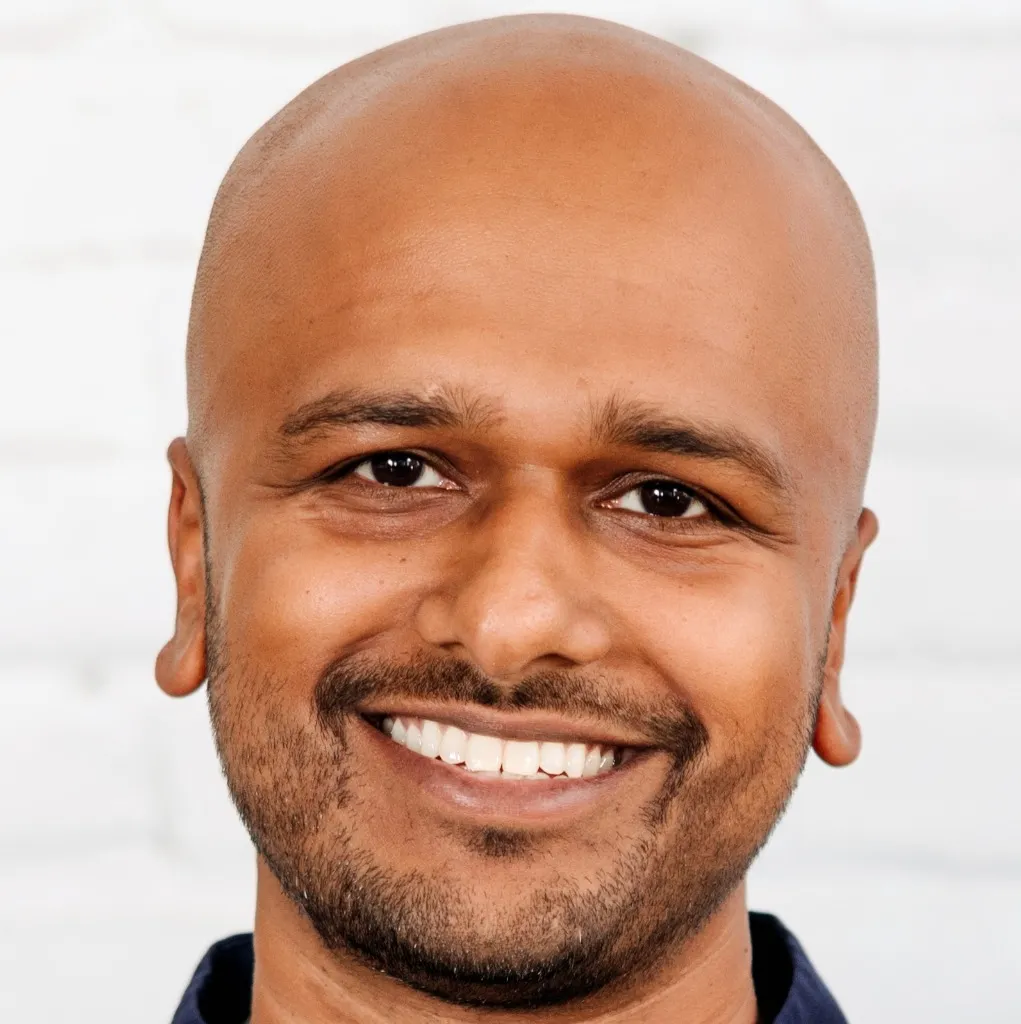
Dr. Ash
"I often find that a patient's 'unexplained' symptom today has a clue buried in a lab from three years ago. When you share your history with me, you aren't just giving me paperwork; you're giving me the context I need to be a better advocate for your health. I want to see the whole story, not just the current chapter."

How Fishtown Medicine approaches data integration

We do not just file records away. We review every page. During your Initial Diagnostic Evaluation, we integrate this data into our Systems-Thinking Map. We look for the "why" behind your history, not just the "what."

Actionable Steps for Philly

Take ownership of your medical data.
  1. Request Access: Make sure you have active logins for Penn, Jefferson, and any other systems you use in Philadelphia.
  2. Organize Your Files: Create a dedicated "Health" folder on your computer or phone for secure PDF storage.
  3. Upload Before Your Visit: Sharing records 48 hours before your first consult lets Dr. Ash review them in detail, which makes face-to-face time far more productive.

Scientific References

  1. U.S. Department of Health & Human Services. "HIPAA Privacy Rule and Patient Access to Health Information." HHS.gov. 2024.
  2. Office of the National Coordinator for Health IT. "Continuity of Care Document (CCD) Specification." ONC. 2023.
  3. Bates DW, et al. "Improving safety with information technology." New England Journal of Medicine. 2021 update.
  4. Zulman DM, et al. "Patient access to longitudinal health records and outcomes." JAMA Internal Medicine. 2020.
Medical Disclaimer: This resource provides clinical context for educational purposes. In the world of Precision Medicine, there is no "one size fits all"; the right care plan must be matched to your unique lab work, physiology, and goals. Consult Dr. Ash to determine if this approach is right for you, especially if you have chronic health conditions or are taking prescription medications.

Frequently Asked Questions

Common Questions

You can share medical records with Fishtown Medicine by uploading PDFs through the Ultralight app, exporting a Continuity of Care Document from MyChart or MyPennMedicine, or signing a release so our team can request records directly.
No, you do not have to share every record. Prioritize records relevant to your current health goals, such as recent labs, imaging reports, and specialist notes. If you are unsure, message us and we can give you a specific list.
Yes. Your health data inside the Ultralight app is protected by HIPAA-grade encryption. We do not use standard email for medical records, and all files are stored inside our compliant electronic health record.
Usually no. The radiologist's written report is enough for the initial evaluation. If Dr. Ash needs the actual images, for example for a complex surgical follow-up, we will provide instructions on how to share the digital DICOM files.
Aim for the last 5 years of major records when sharing with Fishtown Medicine. Older records can still be helpful, especially for hospitalizations, surgeries, cancer screenings, and important imaging studies.
If your previous doctor is no longer practicing, your records are usually transferred to a custodian or another physician in the same group. Our team can help track them down using a signed release.
Records from Penn or Jefferson typically take 1 to 4 weeks once a release is signed. Self-service downloads through MyPennMedicine or MyChart are usually available the same day.
Yes, you can share records from outside the United States. PDFs in any language can be uploaded; we will translate the key clinical information during your initial review.

Deep-Dive Questions

We interpret old labs that look "normal" today by re-reading them through a longevity lens. A fasting glucose of 99 looks fine on the report, but a 5-year creep from 85 to 99 signals early insulin resistance worth addressing.
Historical lab data informs cardiovascular risk by showing trajectory. ApoB, LDL, blood pressure, and weight that have crept upward over a decade carry different risk than stable values, even when each single result looked normal.
For conflicting information from different specialists, we line up the data, the dates, and the reasoning. We then propose a single integrated plan, often after a doctor-to-doctor curbside with the relevant specialists.
Pediatric or adolescent records can help adult care by surfacing early growth patterns, vaccination history, family history of disease, and any childhood diagnoses (asthma, ADHD, scoliosis) that still affect adult management.
We incorporate hospital discharge summaries by reviewing the diagnosis, the medications added or changed, the imaging and labs done in-house, and the follow-up plan. We then update your long-term plan to align with what was learned in-hospital.
Yes, imaging from years ago can still be useful as a baseline. Comparing an MRI from 5 years ago to a new one can reveal whether a finding is stable, growing, or new, which often changes the next step.
We protect privacy when records cross state lines by using only HIPAA-compliant transfer methods (encrypted portals or secure clinical messaging). Standard email and SMS are never used for full records.
For mental health and substance use records, federal protections (42 CFR Part 2) require specific consent. We will obtain written authorization separately and store these records with extra access controls.
You can request that specific records be withheld from sharing with insurers or third parties. If you self-pay for a service, you can also restrict that record from being shared with your health plan.
Record sharing speeds up second opinions because the clinician can review the full data set before the visit. The visit then focuses on interpretation and decision-making rather than re-collecting history.
Fishtown Medicine retains records you share inside our HIPAA-compliant electronic health record for at least 7 years, in line with our Privacy Notice. You can request a copy or summary at any time.

---

*Dr. Ash is a board-certified internal medicine physician specializing in preventive medicine and healthspan optimization at Fishtown Medicine in Philadelphia. He takes a systems-thinking approach to help patients extend their healthspan, not just treat symptoms.*

{{TRUST_BLOCK}}

Still have a question?

He answers personally. Usually within a few hours.

Related Intelligence

The Informed Patient: A Guide to At-Home Health Monitoring

The Informed Patient: A Guide to At-Home Health Monitoring

Equip your home with the right tools. Learn which clinical devices Dr. Ash recommends for at-home monitoring and how to share your data for better care.

Read Deep Dive
The CGM Guide: High-Resolution Metabolism

The CGM Guide: High-Resolution Metabolism

CGMs aren't just for diabetes. Learn how Continuous Glucose Monitors help non-diabetics optimize energy, sleep, and long-term metabolic health.

Read Deep Dive
Precision Prevention: The Role of Genetic Testing

Precision Prevention: The Role of Genetic Testing

Understand your blueprint. Learn how Fishtown Medicine uses advanced genetic testing to identify personal health risks and optimize your longevity strategy.

Read Deep Dive

Talk it through with Dr. Ash.

If anything you read here raised a question, this is a free 20-minute Warm Invitation Call. Pick a time and we’ll work through it together.

HSA/FSA eligible
No initiation or cancellation fees
No copays

Loading scheduler...

Having trouble with the scheduler? Book directly on Dr. Ash’s calendar

FishtownFish wrapped around the rod of AsclepiusMedicine
Philadelphia Primary Care
2418 E York St, Philadelphia, PA 19125Home visits in Greater Philadelphia

Serving Fishtown · Art Museum · Bella Vista · Callowhill · Center City · Center City West · Chestnut Hill · East Kensington · Fairmount · Fitler Square · Graduate Hospital · Logan Square · Manayunk · Northern Liberties · Old City · Olde Richmond · Poplar · Port Richmond · Queen Village · Rittenhouse · Roxborough · Society Hill · Southwark

Explore by topic

Women’s Health
  • Perimenopause
  • Menopause 3.0
  • PCOS
  • Fertility
Men’s Health
  • TRT Therapy
  • TRT Safety
  • TRT vs Enclomiphene
  • Low Libido
Metabolic
  • Medical Weight Loss
  • Ozempic vs Metformin
  • Fasting Protocols
  • Visceral Fat
Cardiovascular
  • apoB & Heart Health
  • apoB vs LDL
  • Lp(a) Cholesterol
  • ED & Heart Risk
Longevity + Performance
  • Healthspan vs Lifespan
  • Biological Age
  • VO2 Max
  • Zone 2 Training
Supplements
  • Magnesium
  • Creatine
  • Omega-3
  • Foundational Stack

Content is for educational purposes only and does not constitute medical advice.

TermsPrivacyScope of PracticeClinical Independence